
Blog · 2026-10-16
Rhode Island Seller Closing Costs, Line by Line
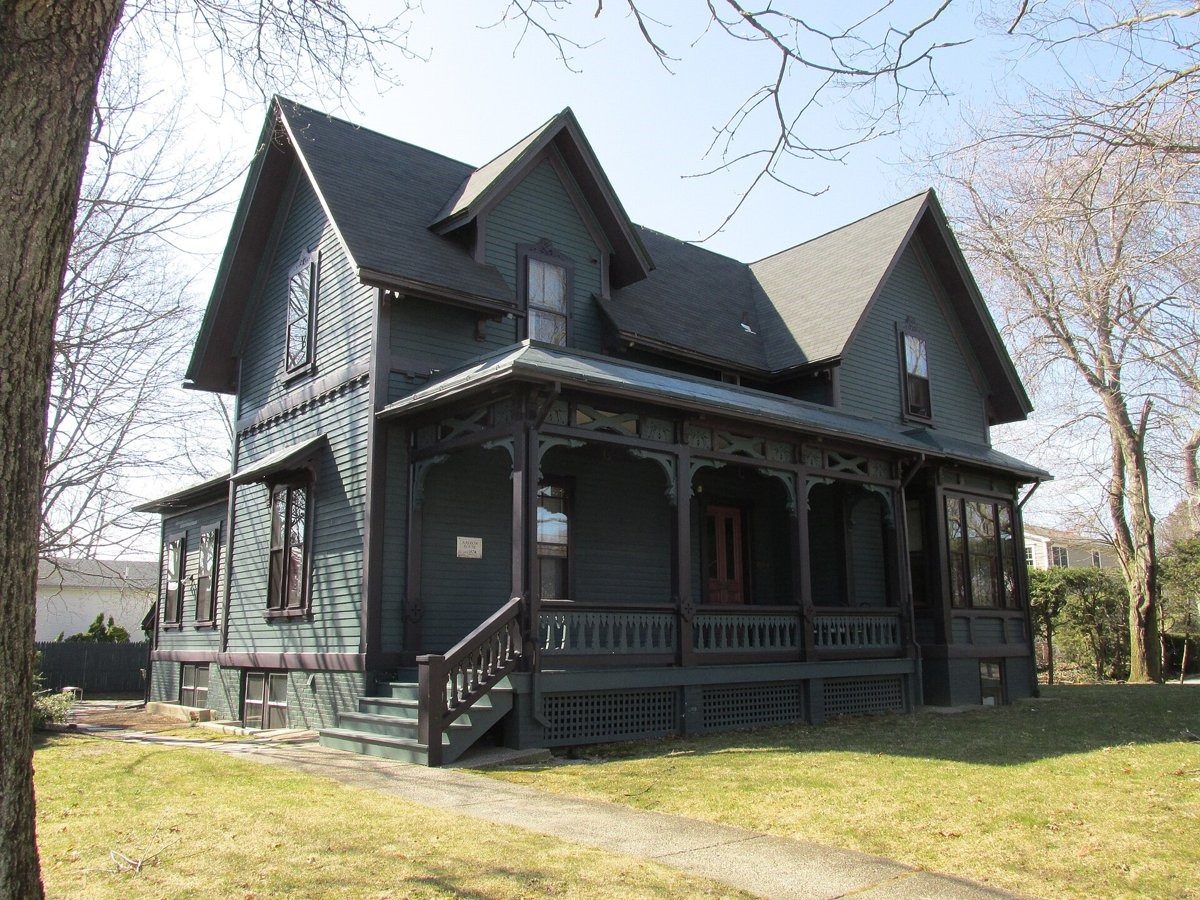
"What will I actually net?" That is the first question I get from almost every Rhode Island seller, and it deserves a straight answer. The sale price is only the starting point. Between your loan payoff, the conveyance tax, prorations and a handful of certificates, there are a dozen deductions before money reaches your account. I have spent 25 years as a Rhode Island broker and certified appraiser, and this is the walk-through I give every seller before we list.
Start With a Net Sheet, Not a List Price
A net sheet is a simple estimate: expected sale price at the top, every cost underneath, your proceeds at the bottom. Building it before you list tells you whether a price makes sense for your next move. It also prevents the most common closing-day frustration, which is a number lower than the seller expected.
The Big Three Deductions
Mortgage and equity line payoff. Your payoff includes interest through the day of closing and can include lender fees, so it is above your statement balance. Equity lines must be formally closed so the lien can be released.
Brokerage compensation. Commission is negotiable. Since the 2024 national changes, any seller contribution toward a buyer's agent is a separate choice, and it should be spelled out in writing.
Conveyance tax. Rhode Island collects a real estate conveyance tax when the deed is recorded, and sellers customarily pay it. The state has adjusted the structure for higher-priced homes in recent years, so your attorney should calculate it from the current law rather than anyone guessing a rate.
Prorations: The Line That Can Go Either Way
Property taxes in Rhode Island are billed by each city or town on its own calendar, commonly in quarterly installments. At closing, the attorney splits the year between you and the buyer. If you paid ahead, you are credited. If an installment is due, you pay your share. Water and sewer charges work similarly once final readings are taken. I have seen sellers in Providence and Pawtucket receive a credit while a neighbor in another town owed money on the same closing date, purely because of billing cycles.
Certificates and Paperwork
- Smoke and carbon monoxide certificate. Required by Rhode Island at sale and issued by the local fire department after an inspection. Older two- and three-family homes may need detector upgrades to pass.
- Municipal lien certificate. Confirms no unpaid municipal charges. Anything outstanding is paid from your proceeds.
- Mortgage discharge recording. A small fee, but a real line.
- Deed preparation and attorney fees. Closings in Rhode Island are typically run by attorneys; get a fee quote once you are under contract.
- Condo resale documents. If you sell a condo, the association may charge for the paperwork, and final dues are settled at closing.
Negotiated Costs
Some deductions come from the deal itself. After inspection, buyers often ask for a repair credit, and some offers include a request for help with closing costs. These come directly off your bottom line, so I compare offers on net, not on price. If the property has a cesspool, Rhode Island generally requires replacement within a year of sale, and who pays for it is usually part of the negotiation.
Situations That Add Lines
If you live outside Rhode Island, part of your proceeds may be withheld for state income tax unless you qualify for an exemption. Selling an inherited property can bring probate court costs and estate paperwork. Selling with tenants means settling security deposits and prorated rent. None of these are unusual, but each needs to be on the net sheet from day one.
When the Money Arrives
Once the deed and the buyer's mortgage are recorded, the closing attorney disburses funds: your lender is paid first, then the conveyance tax, commission and other charges, and the balance goes to you, usually by wire. Confirm wire instructions by phone with the attorney's office directly, never from an email alone, because wire fraud targeting sellers is a real and growing problem.
Market Context
State-Wide MLS figures via the Rhode Island Association of Realtors put the June 2026 statewide median single-family price at $550,000, up 5.8% year over year, with a median of 29 days on market. Pricing is strong, but costs are real, and knowing your net lets you negotiate with confidence.
Key Takeaways
- Build a net sheet before you choose a list price.
- Payoff, commission and conveyance tax are the largest deductions.
- Tax and utility prorations can be a credit or a charge.
- Schedule the smoke and CO inspection early.
- Compare offers on net proceeds, including credits.
Browse recent listings in Providence homes for sale and Pawtucket homes for sale. For your own line-by-line estimate, request a free home valuation request or call me at 401-288-3600.