
Blog · 2026-09-21
Why Zillow's Rhode Island Estimate Is Often Wrong (An Appraiser Explains)
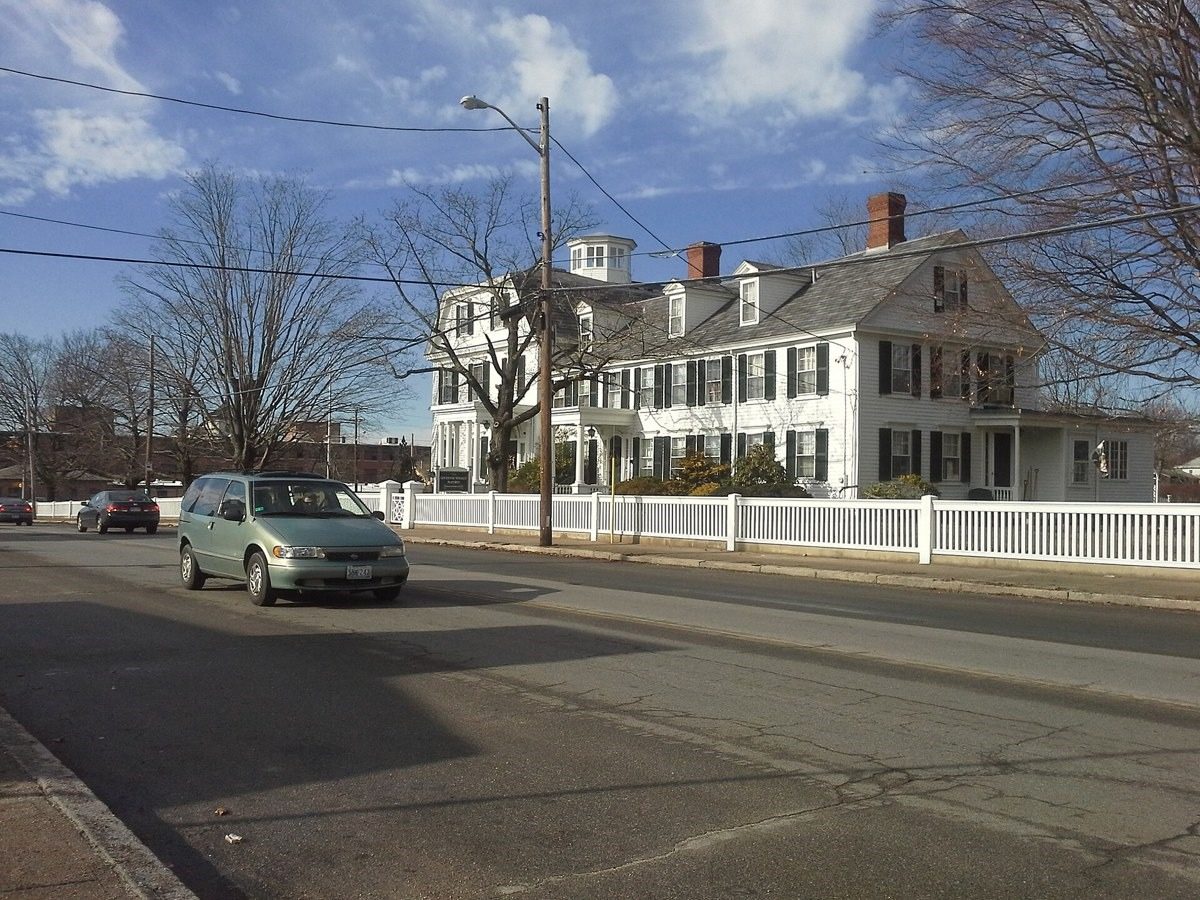
I get asked about the online estimate on nearly every listing appointment. My answer is always the same: it is a starting point, not a price. As a certified appraiser who has valued Rhode Island property for 25 years, I can usually tell within a few minutes of walking a house which direction the automated number is wrong in, and by roughly how much. Here is what the model can and cannot see.
The model is a statistical average, not a valuation
Automated valuation models pull public record data, match your property to recent sales with a similar data profile, and adjust by formula. Nobody visits. Nobody opens the electrical panel or notices that the back addition was framed by the previous owner on a weekend. The output is the average price of houses that look like yours on paper. In markets built of repetitive tract housing that average is decent. Rhode Island is not built that way.
Our building stock defeats the averages
In Cranston, Warwick or Providence a single street can hold a 1910 two-family, a postwar cape, a 1970s split and a full renovation. On paper they share bedroom counts and lot sizes, so the model treats them as peers. In person they are different products with different buyers. Older Rhode Island houses also carry value swings the records do not capture: original wiring, an abandoned oil tank, lead paint history, asbestos siding, a furnace at the end of its service life. Any one of those changes the number a buyer will pay.
Two- and three-families are the biggest miss
Rhode Island has an unusually large share of small multi-family buildings, and those trade on income as much as on comparable sales. Whether rents are at market, whether the units deliver vacant, whether the building has a lead certificate, whether an owner-occupant can use low-down-payment financing: every one of those changes the buyer pool and the price. The model sees none of it. If you own a three-family and the estimate looks confident, be skeptical of it.
Square footage is often simply wrong
Assessor records in some Rhode Island municipalities are decades old and were never corrected after a finished basement, a converted attic or an addition. Sometimes that means the model credits living area you do not have. Sometimes it ignores real finished space. An appraiser measures to a standard and treats below-grade finished area separately from above-grade living area, because buyers pay differently for each. The algorithm just uses whatever the town has typed in.
Assessments move on a cycle; the market does not
Rhode Island municipalities revalue on a set schedule rather than continuously, so assessed value reflects an earlier valuation date. Where sales data is thin, models lean harder on assessment data and inherit that lag. That is how an estimate ends up describing last year's market.
Small state, thin data
There were 879 single-family sales statewide in June 2026, at a median of $550,000, up 5.8% year over year, with inventory up about 4% and average days on market at 29, per Rhode Island Association of Realtors and State-Wide MLS reporting. The statewide condominium median was $417,450. Divide that volume among 39 cities and towns and then among neighborhoods inside them, and many pockets see only a handful of sales in a quarter. With so few data points, a single estate sale, family transfer or investor cash purchase can distort the estimate for an entire block.
The predictable direction of the error
In my experience the estimate runs high on dated houses in desirable neighborhoods, because the model reads the zip code and not the kitchen. It runs low on renovated homes, waterfront and water-view property, unusual architecture, and anything with an in-law unit, extra buildable land or a garage a trade buyer would pay a premium for. Owners of the best-maintained house on the street are consistently shortchanged by the algorithm.
What I do instead
I start with verified closed sales from the MLS, not listing prices. I adjust for condition, layout, systems and location within the neighborhood, not just across town lines. I look at what is currently under agreement, because pending sales tell you where the market is heading faster than closed ones do. Then I set a price with a clear rationale you could defend to an appraiser, because on a financed sale one will eventually be looking at the same data.
Takeaways
- An automated estimate is an average of data profiles, not an opinion of value on your house.
- Rhode Island's old, mixed housing stock and multi-family share make modeling unreliable here.
- Recorded square footage and finished space are frequently inaccurate in both directions.
- Low sales volume per neighborhood lets one odd transaction distort the estimate.
- Price from verified closed comparables, pending activity and an in-person inspection.
If you want a real number with the reasoning behind it, call PRG Premier Group at 401-288-3600. Browse Providence homes for sale, compare Warwick homes for sale, search every listing at Rhode Island homes for sale, or request a valuation on our home value page.