
Blog · 2026-10-07
Which Home Improvements Actually Pay Off in Rhode Island
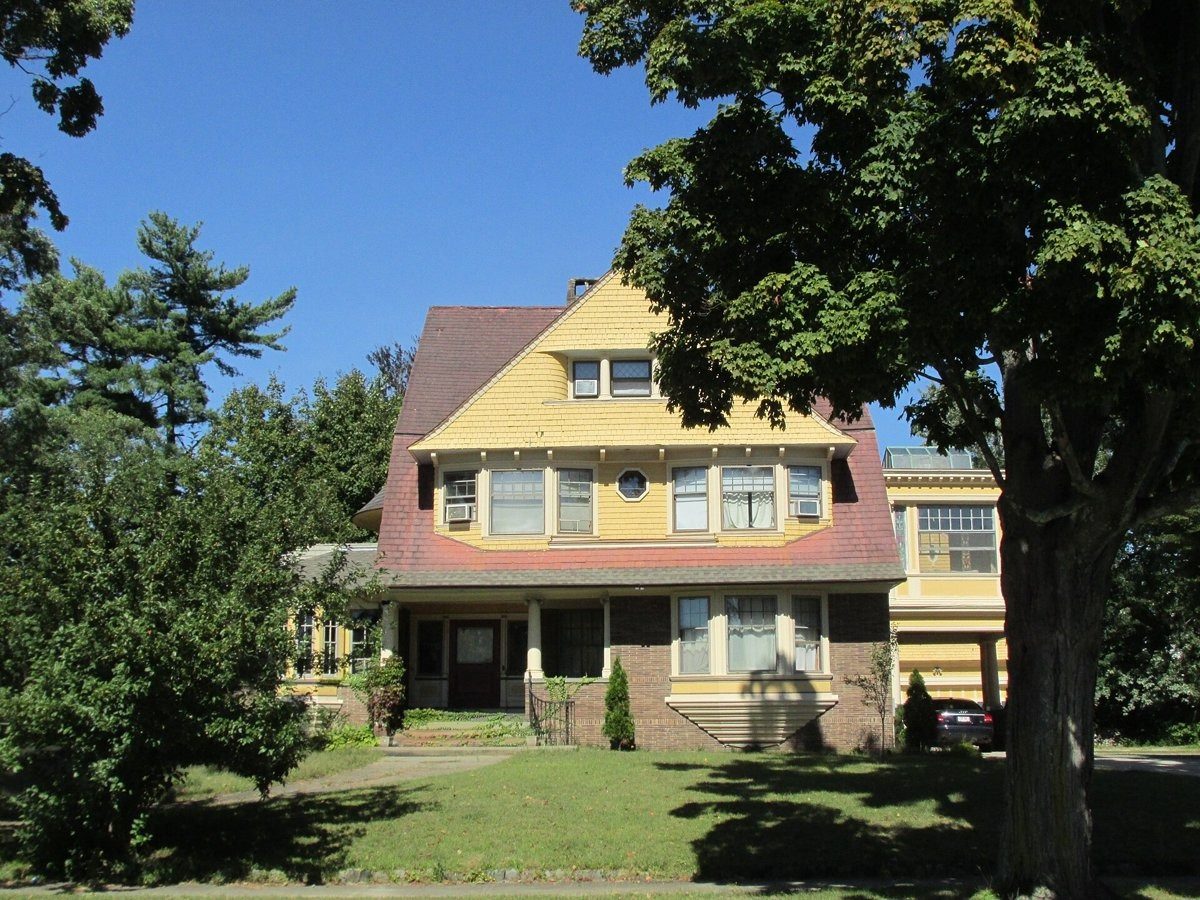
Before a homeowner spends money on a renovation, I want them to ask one question: will a buyer pay for this compared with the other houses for sale? I am Melissa Perrille. I have been a Rhode Island broker for 25 years and I am a certified real estate appraiser, so I see both sides: how buyers react at an open house and how an appraiser actually adjusts for features. This is my honest list of what pays off here and what usually does not.
Your Receipts Are Not Your Value
Appraisers value homes by comparison. They find recent sales of similar homes nearby and adjust for size, condition and features. That means a project pays off only when it makes your home compete with the higher sales around it. Spend far beyond what your neighborhood supports and the extra money mostly stays in the walls.
The market is giving owners some cushion. The statewide median single-family price reached $550,000 in June 2026, a 5.8% increase over the prior year, and Providence County's median was $500,000 (State-Wide MLS via the Rhode Island Association of Realtors). A rising market can hide a bad renovation decision. It does not change how buyers compare houses.
Where the Money Comes Back
Deferred maintenance. The best-performing spending is usually invisible: a sound roof, a serviced heating system, safe electrical, gutters that work, a dry basement. Buyers in older Rhode Island homes expect issues, and their inspectors will find them. Fix them first and you avoid a repair credit that tends to exceed the real cost.
Paint and floors. Fresh neutral paint and refinished hardwood consistently give more back than they cost. Plenty of older Rhode Island houses have original wood floors hidden under carpet.
First impressions outside. Clean siding, a repaired front step, a painted door, tidy landscaping. Online photos start with the front of the house.
Targeted kitchen and bath updates. Lighting, fixtures, hardware, counters and paint usually beat a full remodel on return.
Local Issues Worth Fixing Before You Sell
Rhode Island has a few recurring items that shape what buyers will pay. Older oil tanks, particularly underground ones, raise insurance and lending questions. Cesspools generally must be replaced within a year of a sale under state law, so the buyer will factor in that cost whether you handle it or not. For pre-1978 multi-family properties, lead compliance in the rental units matters to investors. Resolving these up front can open your home to more buyers.
Where the Money Usually Disappears
- Top-of-the-line finishes in a mid-priced neighborhood.
- Swimming pools, which many Rhode Island buyers see as upkeep rather than value.
- Very personal design choices that buyers would want to undo.
- Additions or finished basements done without permits, which can cause trouble with appraisers and lenders.
Check Your Own Comps First
Whether a bigger project makes sense depends on where you live. A second full bathroom, an extra bedroom or a finished lower level can move your house into a better group of comparable sales in one area and barely register in another. In Providence, off-street parking and outdoor space can outweigh square footage. In Warwick, buyers often compare a street of similar homes feature by feature, so one extra bathroom can stand out. Look at the recent sales near you that sold above your expected price and note what they had.
Staying or Selling Changes the Answer
If you are improving a home you plan to live in for years, comfort and enjoyment count, and you should weigh them alongside resale. If you plan to sell soon, think like an investor. Every dollar should either fix something a buyer would deduct for or make the house show better than its competition. Large remodels done in the months before listing are the projects I see return the least, because buyers rarely value someone else's taste the way the owner did, and the work can push back your listing date.
Energy and Comfort Upgrades
Insulation, air sealing, newer windows and more efficient heating and cooling make a house more comfortable and can lower utility bills, and Rhode Island winters make buyers notice. They do not always show up dollar for dollar in an appraisal, but documented utility costs and service records help a buyer feel confident. If you have done this kind of work, keep the paperwork and share it at listing.
Key Takeaways
- Comparable sales, not project costs, decide what your home is worth.
- Maintenance and inspection items are the safest place to spend.
- Paint, floors and curb appeal outperform big remodels.
- Address oil tanks, cesspools and lead issues before listing.
- Keep finishes in line with the neighborhood and permit the work.
See what buyers are choosing in Providence homes for sale and Warwick homes for sale. Planning a project? Submit a free home valuation request or call me at 401-288-3600 and I will show you which improvements your comps actually support.