
Blog · 2026-09-28
What a Rhode Island Home Inspection Really Finds (Knob and Tube, Oil Tanks, Lead)
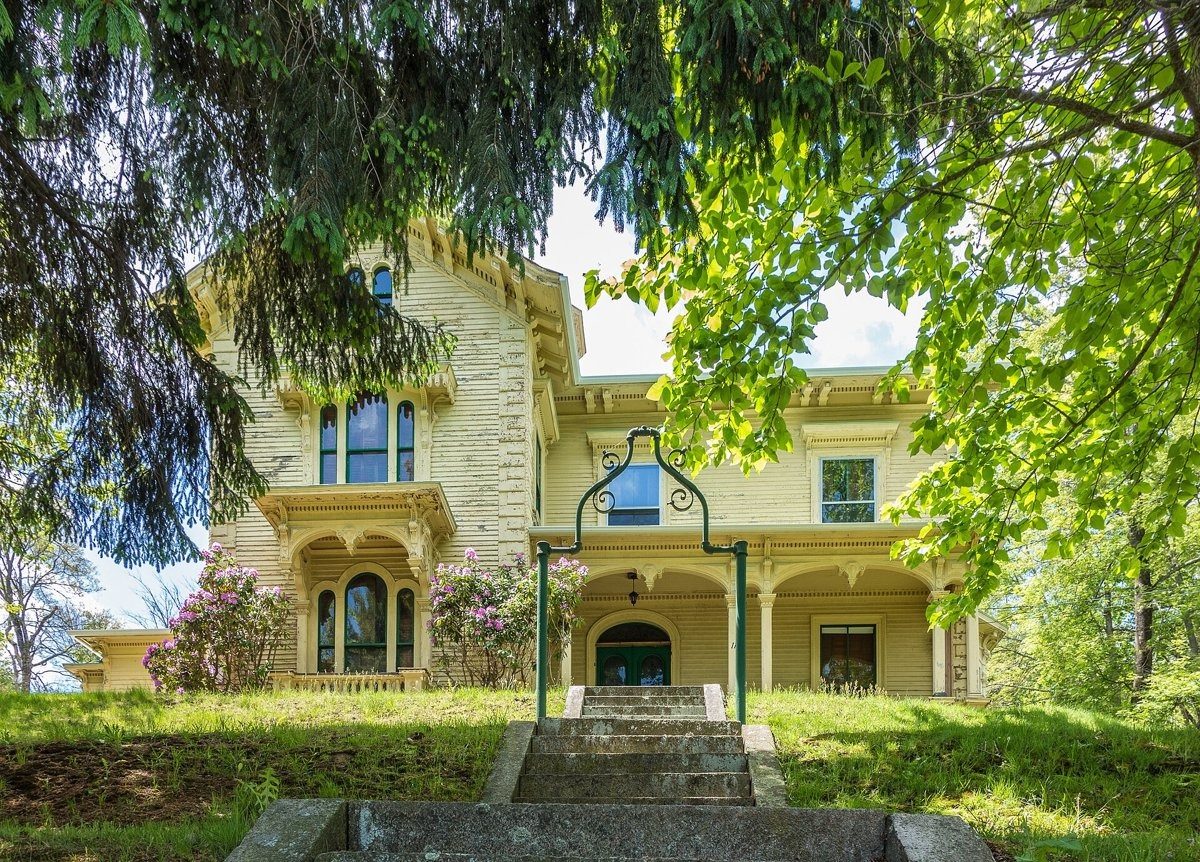
Buyers from out of state are often surprised by the length of a Rhode Island inspection report. They should not be. This is one of the oldest housing markets in the country, and a century-old triple-decker or a 1950s cape carries a very different set of risks than a house built in the last twenty years. I have been a Rhode Island broker and certified real estate appraiser for 25 years, and the findings that actually move a deal are remarkably consistent. Here is what to watch for.
Why older Rhode Island houses inspect differently
Much of the state's housing predates modern electrical codes, the lead paint ban and widespread natural gas service. Mill-era multi-families in Pawtucket, Central Falls and Woonsocket, the Victorian and colonial stock in Providence and Newport, and the post-war capes in Warwick and Cranston all have their own patterns. A good inspector who works locally knows where to look. A buyer who knows the patterns can decide faster which findings are deal points and which are simply homeownership.
Knob and tube: the insurance problem
Knob and tube wiring, the ungrounded system used in many houses built before the 1940s, still turns up in Rhode Island attics, third floors and basements, sometimes behind a panel that looks modern. Electricians debate how dangerous it is when left undisturbed. What is not up for debate is that many insurance companies decline or restrict coverage when it is still in service. You cannot close with a mortgage without insurance, so call an agent for a quote the day the inspection report arrives.
The oil tank question
Oil heat is still common here, and so are tanks that outlived the system they served. An aboveground tank in the basement can be judged by its age and condition. An underground tank is the real risk, because a leak can contaminate soil and become an expensive cleanup. A stray fill pipe in the yard, a capped vent on the siding, or a gas-heated house built well before gas service arrived on the street are all reasons to ask questions. Ask for removal or closure documents; without them, pay for a tank sweep and, if needed, soil testing before your contingency expires.
Lead paint and pre-1978 homes
If the house was built before 1978, federal rules require the seller to disclose known lead-based paint hazards, and you are entitled to a 10-day window for a lead inspection or risk assessment unless you give it up in writing. Peeling exterior paint, worn window sashes and friction surfaces are where lead dust comes from. For families with young children, that window is worth keeping.
Investors should go further. Rhode Island imposes its own lead requirements on rental housing, and buying a multi-family without understanding them is how a good deal turns into an expensive one. Ask the seller for any lead certificates and factor compliance costs into your numbers.
Septic, cesspools and private wells
In the rural and suburban towns, septic systems and wells deserve their own inspections. Rhode Island's cesspool law generally requires a cesspool to be removed and replaced within a year of a sale, so confirm the system type early and get a proper septic evaluation. Test well water too. These items carry costs large enough to change what a house is worth to you.
Radon and the smaller items
Radon occurs in parts of the state and can only be measured by testing. If it comes back high, a mitigation system usually solves it. Beyond that, expect notes on roofs, chimneys, boilers, galvanized pipes, asbestos-wrapped heating pipes and damp basements. Those are common in older Rhode Island homes and are usually handled with repairs, credits or simply a plan.
Turning findings into a negotiation
Here is how I think about it with my appraiser hat on. The asking price of an older house should already reflect its age. What it may not reflect is a hidden problem: a leaking tank, a failed septic, uninsurable wiring, a roof at the end of its life. Those are fair to negotiate as a repair or a credit. Loose railings and dripping faucets are not. A focused request backed by contractor estimates gets taken seriously. A long list of small items tends to sour the seller and the deal.
Looking at older homes? Browse current Providence homes for sale for the city's pre-war stock and Warwick homes for sale for post-war capes and ranches.
Takeaways
- Rhode Island's age of housing means inspections regularly find real issues; plan for it.
- Knob and tube wiring is often an insurance issue first, so quote coverage right away.
- Resolve any suspected underground oil tank before your contingency ends.
- Keep the 10-day lead inspection window on pre-1978 homes unless you have a clear reason not to.
- Know whether the house is on sewer, septic or a cesspool before you commit.
- Negotiate hidden and big-ticket problems, not routine maintenance.
Ready to start? Use our Rhode Island home search or call me at 401-288-3600 and I will walk you through what the inspection really means.