
Blog · 2026-10-19
Should You Sell Before You Buy in This Rhode Island Market?
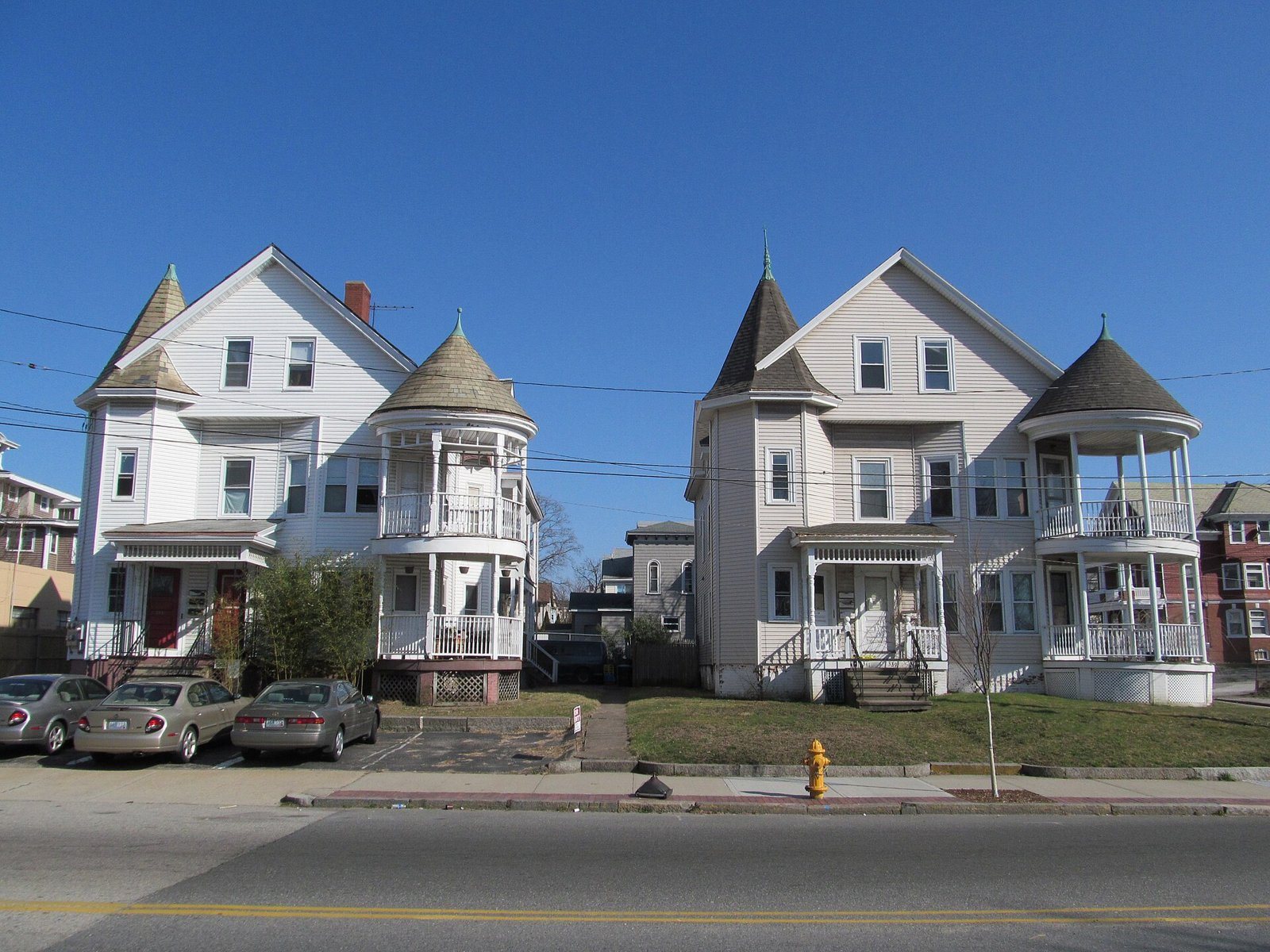
The question I hear more than any other from move-up sellers in Rhode Island is some version of this: do I sell first and risk having nowhere to go, or buy first and risk carrying two houses? After 25 years as a broker and a certified residential appraiser, my answer is that there is no universal right order. There is only the right order for your equity, your income, your nerves and the specific towns you are moving between. Here is how I walk clients through it.
What the Market Is Telling Us Right Now
The most recent full-month numbers I trust come from State-Wide MLS data published by the Rhode Island Association of Realtors. In June 2026 the statewide median single-family sale price was $550,000 on 879 sales, up 5.8% from a year earlier, and the typical home went under contract in about 29 days. In Providence County the median was $500,000 on 415 sales, with homes selling in roughly 24 days.
Two conclusions follow. First, a well-priced house in most Rhode Island towns still sells quickly, so the fear of sitting on the market for months is usually overblown if you price it correctly. Second, the house you want to buy is selling just as fast, and sellers in a competitive market tend to favor buyers who do not need to sell something first. Both of those facts matter when you choose your order.
The Case for Selling First
Selling first gives you certainty. You know your exact net proceeds, you know your budget for the next house, and you walk into negotiations as a buyer with no home sale contingency. In a market where homes are moving in under a month, that clean offer can be the difference between winning and losing the house.
The cost is the gap. If your closing date arrives before you have found the next home, you are moving twice, paying for storage, or staying with family. There are ways to soften that, and I use them regularly:
- A longer closing. Many buyers, especially those relocating or selling their own place, are happy with a 60 to 75 day close if the price is right.
- A rent-back after closing. You sell, close and stay in the house for an agreed period under a written use and occupancy agreement. Your attorney drafts it; the terms are negotiated like everything else.
- A contingency on finding suitable housing. Some buyers will accept it, but it weakens your offer, so I only recommend it when the market for your house is strong.
The Case for Buying First
Buying first lets you take your time choosing the next home and move once. It works best for owners with substantial equity and the income to qualify for two payments, or with cash available. The risk is obvious: if your current house takes longer to sell than expected, or sells for less than you assumed, you carry both properties and negotiate from a weaker position.
Financing options for buyers who need their equity before they sell include a home equity line of credit opened before you list, a bridge loan, or a lender program that lets you buy before you sell. Each has costs, qualification rules and timing quirks, so talk to a lender before you shop rather than after you fall in love with a house. I do not quote rates or fees in articles because they change constantly; a good local lender will run your actual numbers in one conversation.
Where the Appraiser in Me Gets Cautious
The biggest mistake I see is a seller who buys first based on a number they read online for their current house. Automated estimates in older Rhode Island neighborhoods miss on condition, lot quirks, multi-family zoning and updates that never made it into public records. If your plan depends on netting a specific figure, get a real comparative market analysis before you commit to anything.
Look closely at the towns involved, too. Selling a three-family in Pawtucket and buying a single-family in a quieter suburb is a different exercise than trading one Cranston ranch for another, because the buyer pools, financing types and timelines are different. Our Pawtucket homes for sale page is a good example of how varied the housing stock is even inside one city.
A Simple Decision Framework
When I sit down with a client, I ask four questions:
- Can you qualify for both payments if your house takes 90 days to sell? If not, sell first or line up bridge financing before you shop.
- How fast are homes like yours selling in your town right now? If they are moving in a few weeks, selling first with a rent-back is usually lower risk.
- How competitive is the market where you want to buy? If multiple offers are common there, a contingent offer will struggle.
- How much disruption can your household tolerate? A double move is expensive but sometimes cheaper than carrying two mortgages.
Key Takeaways
- Rhode Island homes are still selling quickly, which favors selling first and negotiating time to move.
- Buying first works when you have the equity, income or cash to carry both homes for a few months.
- Rent-backs and longer closings solve most timing gaps without weakening your sale.
- Never build a buy-first plan on an online estimate; get a real valuation of your current home.
- Talk to a lender about bridge or equity options before you start touring.
If you want a realistic number for your current house before deciding, start with our home value estimator, then call me at PRG Premier Group, 401-288-3600, and we will map out the order that fits your situation.