
Blog · 2026-10-05
Selling a House in Rhode Island: The Full Timeline From Prep to Closing

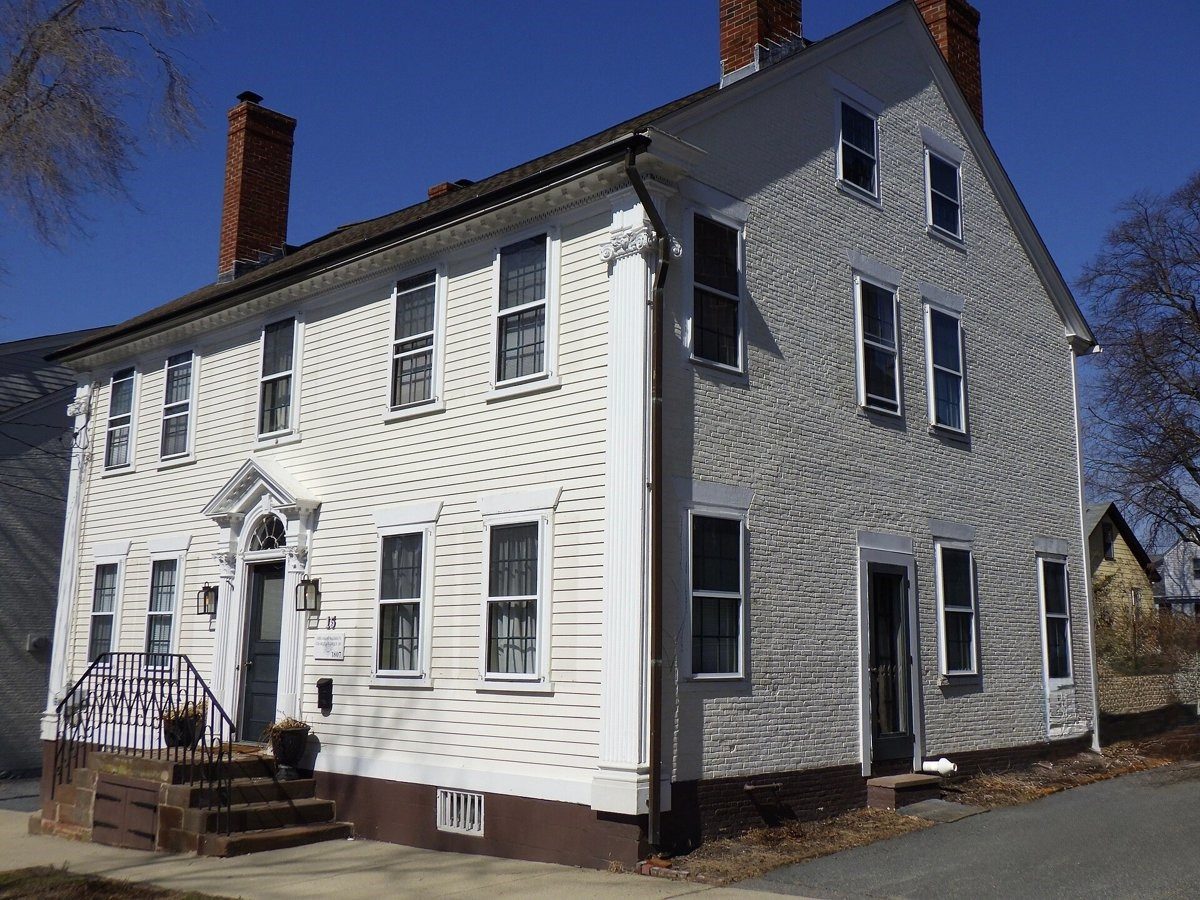
Selling a house is not one event. It is a sequence, and in Rhode Island a few local requirements can add days or weeks if you do not plan for them. I am Melissa Perrille, a Rhode Island broker for 25 years and a certified real estate appraiser. This is the timeline I walk every seller through before we sign a listing agreement, so nothing on closing day is a surprise.
Weeks Before Listing: Get the House and the Paperwork Ready
Most of the time a sale saves or loses happens here. Walk the house as a buyer's inspector would. Fix the inexpensive things that make a report look bad: running toilets, loose railings, missing outlet covers, overdue heating service. Clean, declutter and paint where it is tired. Hold off on major renovations; buyers rarely pay back their full cost.
Start a folder at the same time. Deed, permits for additions or finished basements, septic or cesspool paperwork, oil tank details, roof and boiler ages, and a year of utility bills. Rhode Island buyers, many of them shopping homes that are decades old, ask for this, and answers on day one keep a deal moving.
Pricing: Use What Sold, Not What Is Listed
For context, the statewide median single-family price in June 2026 was $550,000, 5.8% higher than a year before, and Providence County's median was $500,000 (State-Wide MLS via the Rhode Island Association of Realtors). Homes statewide sold in a median of 29 days. Those numbers describe the market. Your price comes from recent closed sales of homes like yours, adjusted for condition. I build that analysis the same way I would for an appraisal, because that is the test your contract price must pass.
Listing Week: Disclosures, Photos and Launch
Before a buyer signs a purchase and sale agreement, Rhode Island law requires the seller to provide a written property condition disclosure. Complete it carefully; vague answers create problems later. If the home was built before 1978, federal rules add a lead-based paint disclosure and a buyer window for a lead inspection, typically 10 days.
Photos, measurements and the MLS listing come next. Launch when the house is truly ready, because the first couple of weeks bring the most showings you will see.
Offers: Read the Terms, Not Just the Price
When offers come in, compare the financing, down payment, contingencies and closing date alongside the number. A cash or well-qualified buyer with a short inspection period can be worth more than a higher offer that depends on everything going right.
Be ready to respond quickly, too. Offers usually carry an expiration time, and buyers who wait days for an answer tend to keep shopping. Decide in advance which terms matter most to you, such as a firm closing date, time to find your next home, or a short inspection period, so you can compare offers side by side instead of starting from scratch each time.
Under Contract: The 30 to 60 Day Stretch
From signing to closing, a financed sale commonly runs about 30 to 60 days. During that window:
- The buyer's inspection happens early, and repair requests follow.
- The lender orders an appraisal. If it comes in short, the price or terms get renegotiated.
- The buyer works toward a mortgage commitment by the contract date.
- The closing attorney or title company checks title and lines up any payoffs.
Your job in this window: schedule the smoke and carbon monoxide detector inspection with the local fire department, which Rhode Island requires before a home changes hands. Do it right away; in some towns the wait is not short. If you are on a cesspool, expect the buyer to raise it, since state law generally requires replacement within a year of a sale. Keep utilities on and the house in the condition it was in when the buyer agreed to buy it.
Closing Day
The buyer walks through the property shortly before closing. You sign the deed and closing documents, your existing mortgage is paid off, and the state conveyance tax and other costs come out of your proceeds. Your attorney prepares those numbers ahead of time. Sellers who live outside Rhode Island should ask early whether state withholding applies.
Key Takeaways
- Preparation and paperwork, done before listing, shorten every later stage.
- Price from recent closed sales so the appraisal supports the contract.
- Provide the Rhode Island property condition disclosure before a buyer signs.
- Schedule the smoke and CO certificate the day you go under contract.
- Plan for cesspool, oil tank and lead paint questions on older homes.
See what you are competing against in Providence homes for sale and Warwick homes for sale. For a comp-based price and a timeline built around your move, submit a free home valuation request or call me at 401-288-3600.