
Blog · 2026-11-06
Selling a House As-Is in Rhode Island: Disclosures, Pricing and Who Buys
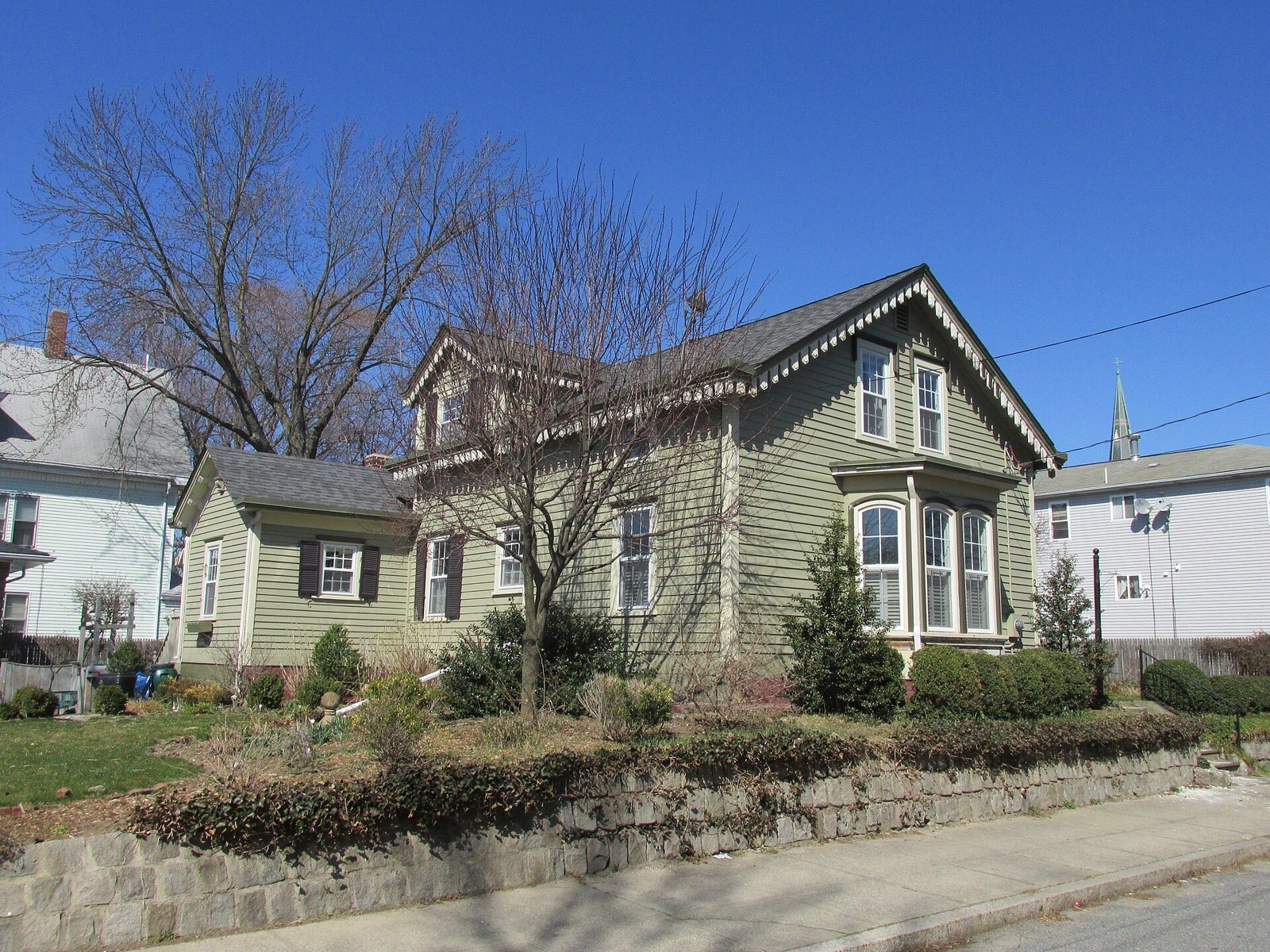
"Can I just sell it as-is?" I hear that question every week. Sometimes it comes from someone who inherited a house full of furniture, sometimes from an owner who is tired, relocating, or simply does not have the cash for a new roof before listing. The answer is yes, you can sell a Rhode Island home as-is. But as-is does not mean what most people think it means, and the way you handle disclosure and pricing decides whether it works for you or against you.
What "As-Is" Actually Means in Rhode Island
Selling as-is means you are not agreeing to make repairs or give repair credits. The buyer takes the property in its current condition. That is a negotiating position, not a legal shield.
It does not excuse you from disclosure. Rhode Island requires sellers of residential property to complete a written real estate disclosure form and deliver it to the buyer before a purchase and sales agreement is signed. You answer the questions honestly based on what you actually know: the roof, the basement, the septic or sewer connection, the heating system, past water problems, and so on. Writing "as-is" on the listing does not change that obligation, and hiding a known defect is how a sale turns into a lawsuit after closing.
A few other items still apply to an as-is sale:
- Lead paint. For homes built before 1978, federal law requires the lead-based paint disclosure and gives buyers the opportunity to do a lead inspection unless they waive it.
- Smoke and carbon monoxide certificate. Rhode Island transfers typically require a smoke and CO detector certificate from the local fire department. Call yours early, because scheduling can take time.
- Buyer inspections. As-is buyers still inspect. The difference is that you have told them in advance you will not be fixing what they find.
Your attorney or closing agent can tell you if your particular situation, such as an estate or a trust sale, is handled differently. Ask before you list, not after.
How an Appraiser Prices an As-Is House
This is where I see sellers lose the most money, in both directions. Some price a tired house as if it were updated and sit on the market. Others accept a lowball number because they assume as-is means cheap.
When I value a property in rough condition, I look at it two ways. First, what have similar homes in similar condition actually sold for in that neighborhood? Second, what would this house sell for fully updated, and what would it realistically cost a buyer to get it there, including their time, carrying costs and risk? The as-is value sits below the updated value by more than just the repair bill, because the buyer is taking on uncertainty. But it should not sit below it by a mystery amount someone made up on the phone.
Get real repair estimates for the big items before you price. A roofer's quote or a septic evaluation turns a vague fear into a number buyers can work with, and it tends to bring better offers.
Who Buys As-Is Homes
As-is does not limit you to one type of buyer. In Rhode Island I usually see three groups:
- Owner-occupants with renovation plans. Some buyers use renovation loan programs that roll repair costs into the mortgage. Others have cash for updates and want a lower entry price.
- Investors and flippers. They buy based on the after-repair value minus their costs and profit. They move fast and often waive financing, but they price tightly.
- Cash buyers and wholesalers. Convenient and quick, but wholesalers in particular may assign your contract to someone else at a higher price. Read the contract carefully.
The condition matters for financing. A house with a failing roof, missing systems or safety issues may not meet the minimum standards that FHA, VA and many conventional lenders require, which narrows the pool to cash and renovation-loan buyers. A house that is simply dated, with working systems, can still be marketed to everyone.
Pawtucket as an Example
Pawtucket has a lot of older housing stock, including multi-family homes and Victorian-era singles, and it is a city where as-is sales are common. Demand there has been strong. In September 2026, the median single-family home in Pawtucket sold for $417,500, up 9.0% from a year earlier, on 34 sales averaging 25 days on market, against a statewide median of $534,000 and 34 days on market (RIAR / State-Wide MLS). When buyers are active like that, an as-is house that is priced on real comparables and openly marketed draws competition, not just one investor's offer. You can see what is currently available on our Pawtucket homes for sale page.
As-Is Listing vs. a Direct Sale
You can list as-is on the MLS, or sell directly to a single buyer. Listing exposes the house to every type of buyer and usually produces the highest price. A direct sale can make sense when speed, privacy or the condition of the property matters more than the last dollar. The mistake is choosing the direct sale before you know what the open market would pay. If you want a starting point, our home value estimator gives you a quick range, and I can refine it with a walk-through.
Key Takeaways
- As-is means no repairs or credits; it does not waive Rhode Island's seller disclosure requirement.
- Pre-1978 homes still need the lead paint disclosure, and transfers need a smoke and CO certificate.
- Price on comparable as-is sales and real repair estimates, not guesses.
- Owner-occupants, investors and cash buyers all buy as-is; condition decides which loans work.
- Test the open market before accepting a single direct offer.
Thinking about selling a house that needs work? Call me at 401-288-3600 and I will tell you honestly what it is worth as it stands.