
Blog · 2026-08-10
Rhode Island Beach and Waterfront Homes: Flood Insurance, Seasonality and Real Costs
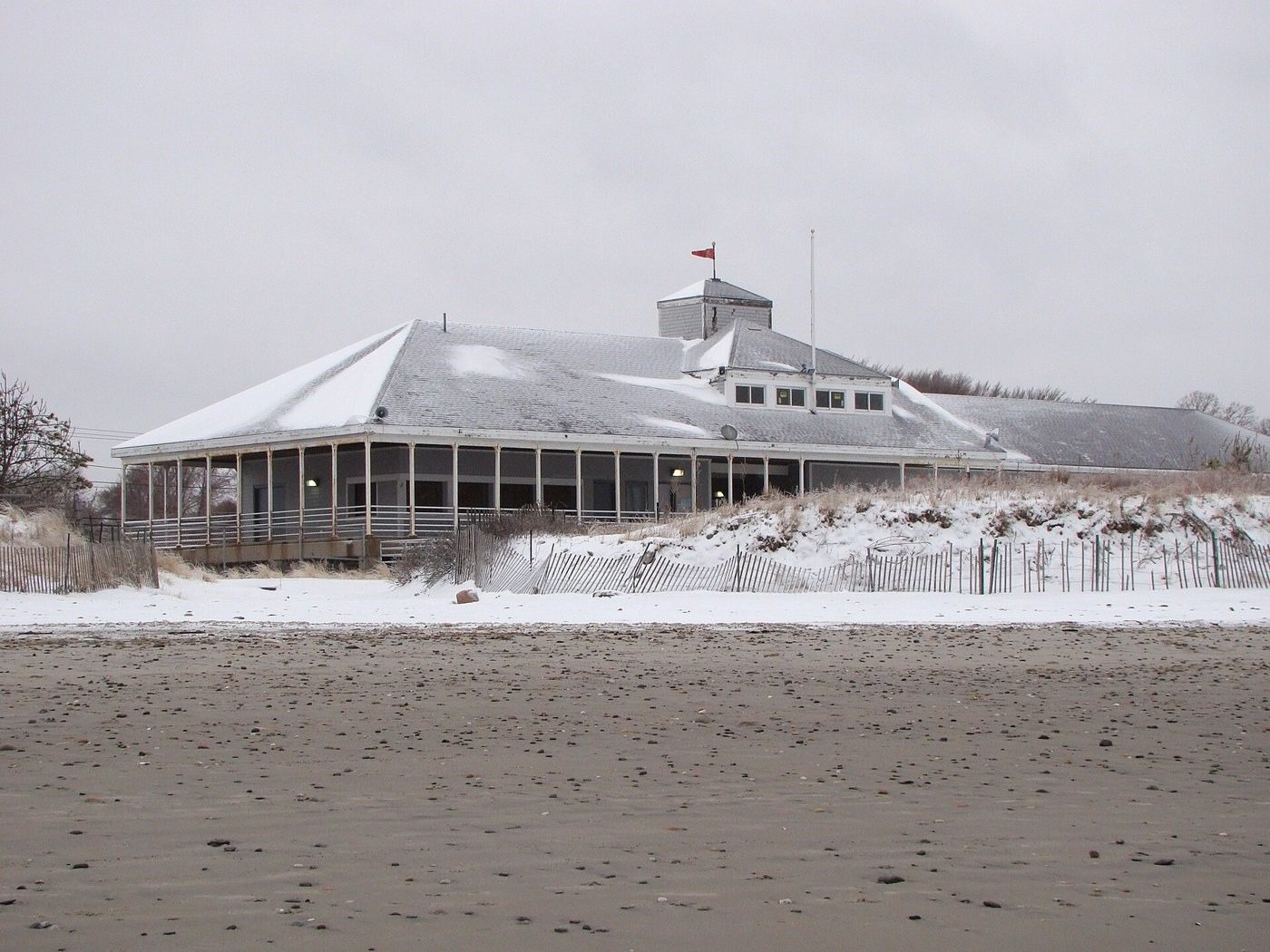
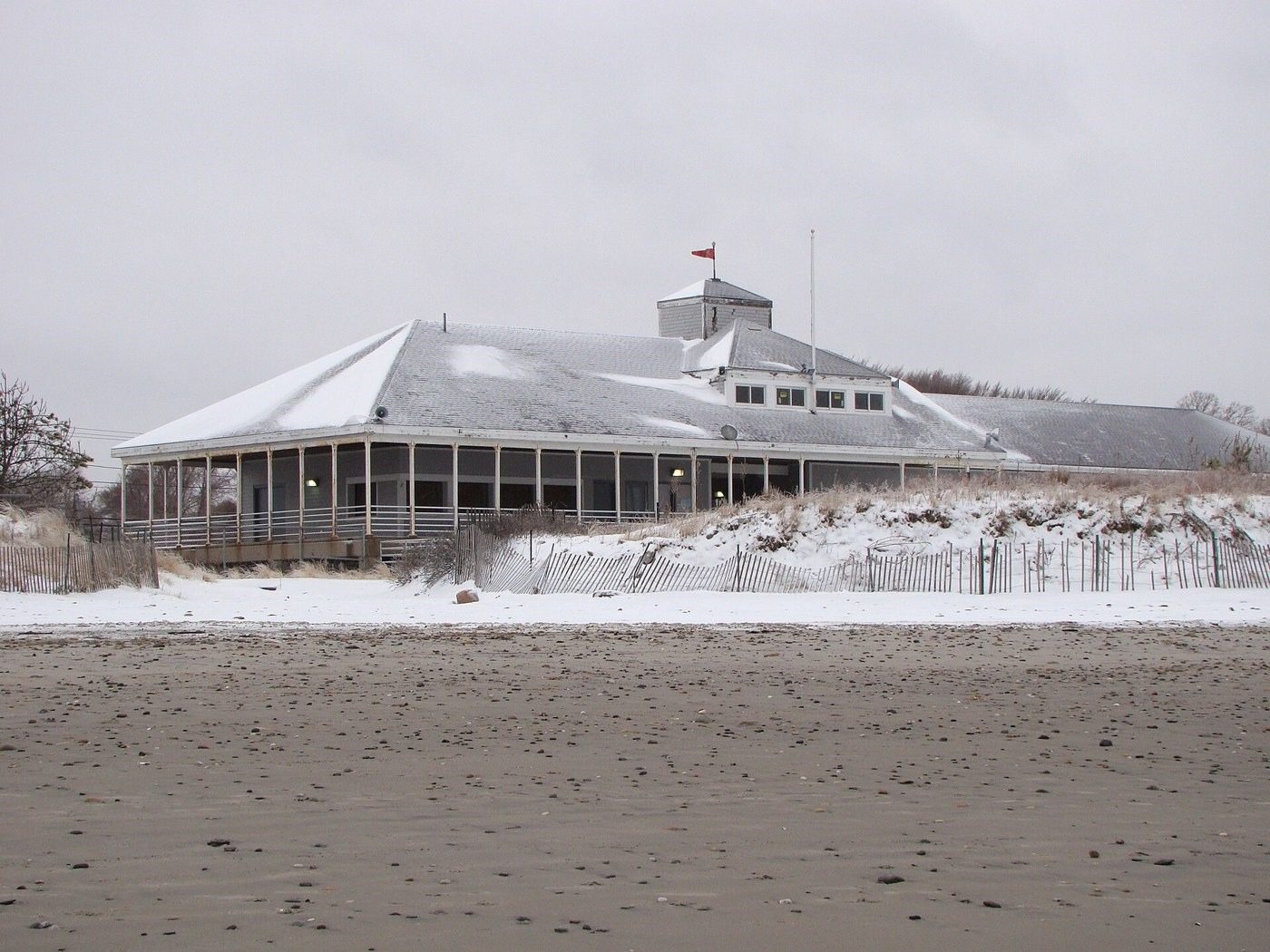
Almost every Rhode Island buyer eventually asks about the water. Beach house, harbor view, pond front, a cottage a few streets back from the sand - the appeal is obvious. The cost structure underneath a coastal property is not, and that is where buyers get surprised after they are already under contract. I have been selling and appraising Rhode Island real estate for 25 years; this is what I tell clients before they write an offer near salt water.
Flood zone is the first thing to check, not the last
Before you fall in love with a coastal listing, look the property up on FEMA's Flood Map Service Center and find its flood zone. A property in a high-risk zone (V and A zones) will generally require flood insurance if you are financing, and the premium is a permanent line in your monthly budget - not a one-time closing cost.
I will not quote you a premium, because there is no typical one. Under FEMA's current rating methodology, pricing turns on the specific structure: elevation relative to base flood elevation, distance to water, foundation type, enclosures below the lowest floor, replacement cost and claim history. Two houses on the same street can price very differently. Get an actual quote on the actual address before your inspection contingency expires, and ask the seller for the Elevation Certificate if one exists. Also ask whether the property has ever flooded, and look for evidence of past water intrusion at inspection.
Wind, erosion and the rest of the insurance picture
Flood is a separate policy from homeowners, and on the coast there is a third consideration: wind. Many Rhode Island coastal policies carry a separate hurricane or named-storm deductible, often a percentage of dwelling coverage rather than a flat dollar amount - a meaningful number on a high-value home. Some carriers also limit new coastal business, so your choice of insurer may be narrower than inland. Start the insurance conversation the week you go under agreement, not the week before closing.
CRMC, erosion, septic and what you are allowed to do
The Rhode Island Coastal Resources Management Council (CRMC) publishes shoreline change maps. If a bank, bluff or dune sits between you and the water, look at where that line has moved historically. Dock rights, too, are not implied by waterfront ownership - verify before you buy.
Coastal Rhode Island has a layer of regulation inland buyers never encounter. Work within CRMC jurisdiction - additions, decks, walls, docks, shoreline structures, sometimes even significant landscaping - can require a CRMC assent on top of the local building permit. That is a timeline, a cost, and occasionally an outright no.
Septic matters too. Many South County and coastal properties are not on public sewer, and Rhode Island's onsite wastewater rules are stricter near the shoreline. Ask what system is in place and when it was last inspected. On a small resort-neighborhood lot, the septic system often caps how many bedrooms the house can legally have - which limits both what you can build and what it will appraise for.
Seasonality is a genuine market factor here
The coastal market runs on a different calendar than the inland market: listings and buyer traffic build in spring, peak through summer when the towns look their best, and thin considerably by late fall. For buyers, the least competitive time to buy a beach house is the off-season, when the shutters are closed and the town looks empty: fewer choices, less competition, and you see the property in the weather it has to survive. For sellers, presenting a coastal home in season is worth real money, and pulling a listing in November to relist in April is often rational rather than a defeat.
Narragansett is the market I get asked about most - town beach, Point Judith, Bonnet Shores, a real year-round town underneath the summer economy. Browse what is currently listed on our Narragansett homes for sale page. Westerly, South Kingstown, Charlestown, Jamestown, Little Compton and Newport each behave differently, and the gap between a year-round neighborhood and a seasonal one shows up in resale liquidity.
The carrying costs buyers underestimate
Salt air is hard on buildings. Plan on shorter service lives for exterior paint, roofing, mechanical equipment and railings, and budget maintenance at a higher annual rate than a comparable inland house.
Property taxes deserve a note. Several Rhode Island coastal municipalities apply a separate, higher rate to non-owner-occupied or seasonal property. I will not print a rate here - they are reset by municipality and change. Confirm the current rate and your classification with the town assessor for the exact property.
Finally, if you intend to rent the house short-term to offset costs, verify the rules first. Rhode Island requires short-term rental registration at the state level, and individual towns have layered their own ordinances and zoning limits on top. Do not underwrite your purchase on rental income you have not confirmed you are permitted to earn.
Buyer takeaways
- Pull the FEMA flood zone and request the Elevation Certificate before your contingencies expire, and get a real insurance quote on the specific address - premiums are structure-specific, not zone-averaged.
- Check the homeowners policy for a separate named-storm or hurricane deductible, often a percentage of dwelling coverage.
- Confirm CRMC jurisdiction and septic capacity before planning any addition, deck, wall or dock.
- Expect seasonality: fewer listings and less competition in the off-season, better presentation and pricing in summer.
- Budget higher ongoing maintenance for salt-air exposure, and confirm the town's current tax rate and owner-occupancy classification with the assessor.
- If short-term rental income is part of your plan, verify state registration and the town's ordinance before you commit.
Rhode Island waterfront is still one of the better long-term holds in New England, but you buy it correctly by knowing the costs in advance, not by hoping they are small. For an appraiser's read on a specific coastal property, or on what your current waterfront home would bring, start with a home value estimate or call PRG Premier Group at 401-288-3600.
Information deemed reliable but not guaranteed. Insurance, tax, permitting and short-term rental requirements change; confirm current details with the applicable carrier, municipality or agency. Equal Housing Opportunity.