
Blog · 2026-08-03
Multi-Family and Duplex Homes for Sale in Rhode Island: What Investors Need To Know
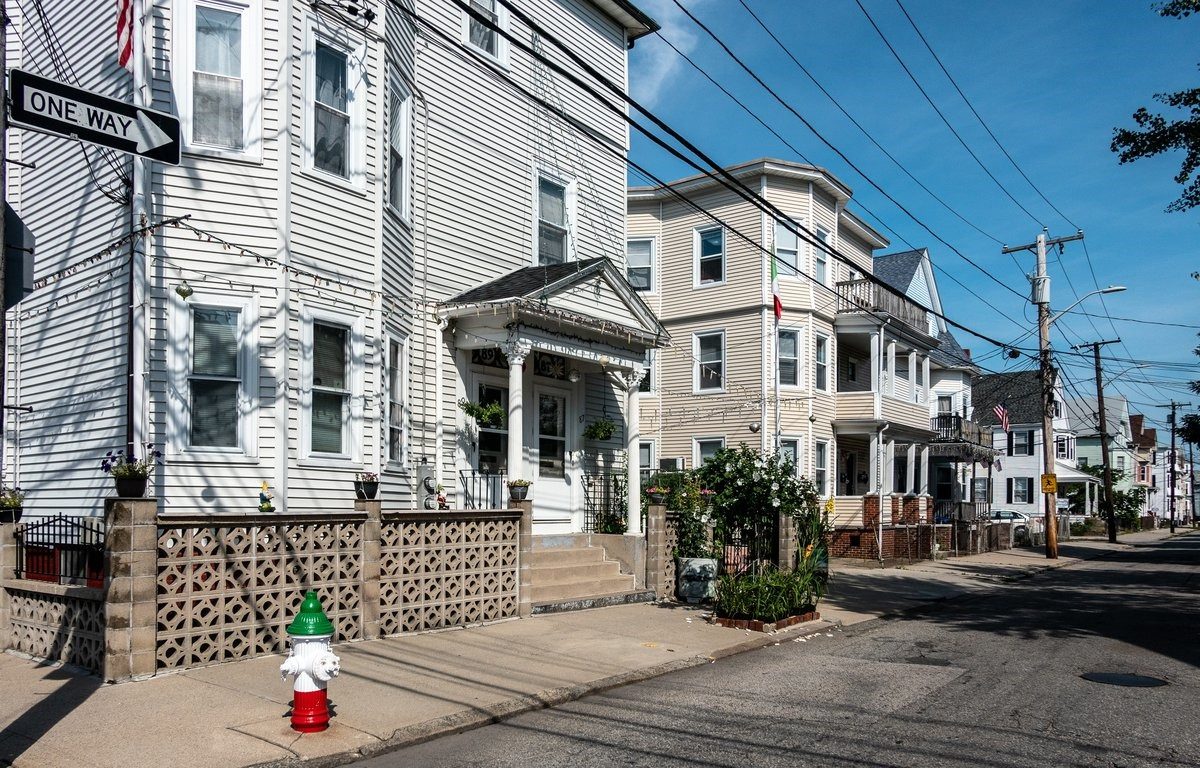
Rhode Island has one of the highest concentrations of multi-family housing in the country. Drive through Providence, Pawtucket, Central Falls, or Woonsocket and you will see block after block of two-family, three-family, and classic New England triple-decker homes. For investors and owner-occupants alike, these properties come with opportunities and risks that single-family buyers never face.
I have been selling and appraising multi-family properties in Rhode Island for over 25 years. Here is what you actually need to know before you write an offer.
Why Rhode Island Is a Multi-Family Market
Rhode Island's housing stock was shaped by its mill-town history. In the late 1800s and early 1900s, builders put up thousands of two- and three-family homes near textile mills to house workers. That legacy is still visible today. Cities like Providence, Pawtucket, and Central Falls have entire neighborhoods where multi-family properties outnumber single-family homes. Even suburban towns like Cranston, Warwick, and East Providence have pockets of duplexes and triple-deckers mixed into otherwise single-family areas.
For buyers, this means inventory. Unlike many states where multi-family homes are hard to find outside of major cities, Rhode Island offers a genuine selection across a range of price points and locations.
Owner-Occupant Strategy: House Hacking With an FHA Loan
One of the most common strategies I see — especially among first-time buyers — is purchasing a two-, three-, or four-unit property, living in one unit, and renting the others. Lenders allow FHA financing on properties up to four units as long as you occupy one unit as your primary residence. That means you can put down as little as 3.5 percent on a property that generates rental income.
This is not a new idea, but it is particularly effective in Rhode Island because multi-family properties here are still priced well below what you would pay in Greater Boston or coastal Connecticut. The rental income from the other units can offset a significant portion of your mortgage payment, and in some cases cover it entirely.
One caution: lenders typically use 75 percent of fair market rent when qualifying you and require reserves. Run the numbers with your loan officer before assuming the rental income covers the mortgage.
What Investors Get Wrong
The biggest mistake I see investors make in Rhode Island is underestimating the cost of deferred maintenance. Many multi-family properties here are 80 to 120 years old. That age brings real issues:
- Lead paint. Rhode Island law requires lead-safe certification for rental properties. If a property has not been deleaded or made lead-safe, you are taking on that cost and that liability. This is not optional — it is state law, and enforcement is active.
- Knob-and-tube wiring. Common in older multi-family homes. Some insurers will not write a policy on a property with active knob-and-tube, and rewiring a three-family home is not cheap.
- Oil tanks. Many older Rhode Island multi-family properties still have oil heat, and some have buried oil tanks. A leaking underground tank can cost tens of thousands of dollars to remediate. Always ask about the heating system and get a tank sweep if there is any history of oil heat.
- Separate utilities. A property where the landlord pays heat and electric is a fundamentally different investment than one where each unit has its own meters. Check the utility setup before you fall in love with the rent roll.
Where To Look in Rhode Island
The heaviest concentration of multi-family inventory sits in Providence and its surrounding cities. Federal Hill, Smith Hill, Elmwood, and the West End in Providence are historically dense multi-family neighborhoods. Pawtucket and Central Falls offer some of the most affordable multi-family properties in the state. Woonsocket has a growing investor market as well.
For a more suburban setting, Cranston, East Providence, and Warwick have duplexes scattered through their older neighborhoods at price points between the urban markets and the pricier East Bay or South County.
Landlord-Tenant Rules You Cannot Ignore
Rhode Island has specific landlord-tenant statutes that apply the moment you rent a unit. A few that matter most to new investors:
- Security deposits are capped at one month's rent.
- You must hold the deposit in a separate interest-bearing account and return it within 20 days of the tenant vacating.
- Rhode Island requires written notice for rent increases — the notice period depends on whether the tenant has a lease or is month-to-month.
- Eviction must go through the courts. Self-help evictions (changing locks, shutting off utilities) are illegal and will expose you to penalties.
The Appraisal Angle
As a certified appraiser, I look at multi-family properties differently than most agents. The value of an investment property is ultimately driven by its income, not by how the kitchen looks. When I appraise a multi-family property, I am looking at comparable sales, but I am also running an income approach — what are the rents, what are the expenses, and what return does the market demand for this type of property in this location?
If you are buying a multi-family as an investment, you should be doing the same analysis. Do not pay a premium for cosmetic upgrades unless those upgrades are producing higher rents. And do not accept a seller's rent roll at face value — verify it with leases, bank statements, or tax returns.
Key Takeaways for Multi-Family Buyers in Rhode Island
- Rhode Island's housing stock is heavily multi-family, giving buyers more options than most states.
- FHA financing allows owner-occupants to purchase up to four units with 3.5 percent down.
- Budget for lead paint compliance, wiring upgrades, and potential oil tank issues in older properties.
- Verify utility metering — who pays heat changes everything about the investment math.
- Know Rhode Island landlord-tenant law before you close, not after your first tenant dispute.
- Value is driven by income, not cosmetics. Run the numbers like an appraiser would.
If you are considering a multi-family purchase in Rhode Island, I can help you evaluate properties, understand the income potential, and avoid the pitfalls that trip up first-time investors. Get a property valuation or reach out to me directly.