
Blog · 2026-09-18
Land for Sale in Rhode Island: Zoning, Septic, Wells and Build Costs
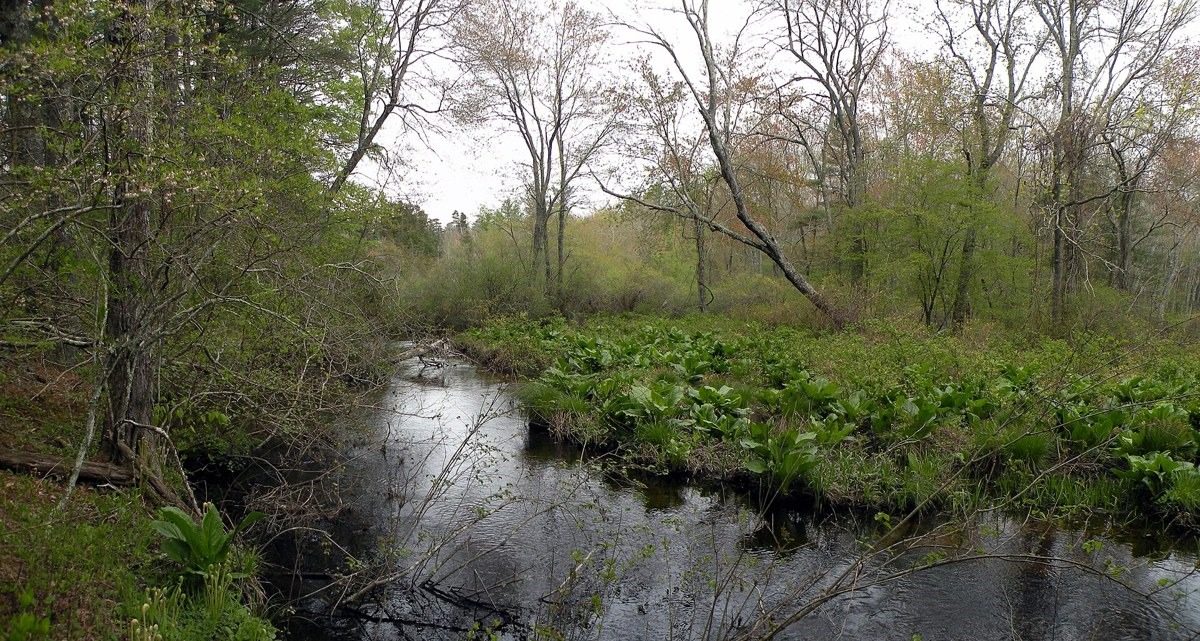
Buyers come to me every season with the same idea: skip the bidding wars, buy a piece of Rhode Island, build exactly what they want. It can work beautifully. It also fails more often than resale purchases fail, and almost always for the same reason. The parcel could not legally hold the house they had in their head, and nobody checked until after the deposit was gone.
I am a broker and a certified appraiser, so I look at land the way a lender's reviewer does. This is the checklist.
Zoning sets the ceiling
Rhode Island has no statewide lot-size rule. Zoning is municipal, town by town, and the dimensional requirements in the rural western part of the state have nothing in common with an infill lot in a village center. Pull the zoning district for the parcel, then read the table: minimum lot area, minimum frontage, setbacks on all sides, maximum coverage and building height.
Now test your plan against it. Subtract the setbacks, and see whether what is left holds your footprint, a driveway, and a septic field with its required separations. If it does not, the answer is not more acreage, it is a different plan or a different lot. Some older parcels are legal nonconforming lots of record and some restrictions can be relieved by variance, but a variance is an application heard by a board. Only rely on one if your purchase and sale agreement is contingent on receiving it.
Septic sets the bedroom count
Away from sewer, and that is most vacant land here, you are building an onsite wastewater treatment system permitted by the Rhode Island Department of Environmental Management. A licensed designer digs test holes, evaluates the soil, and designs a system approved for a specific number of bedrooms. That number governs the house, so it needs to be settled before you own the land, not after.
Shallow soils, ledge or a high water table can force an advanced treatment system instead of a conventional one, which changes both the install cost and the long-term maintenance obligation. A seller who refuses test holes during the inspection period is telling you something. Take the hint seriously.
Wetlands and overlays shrink big parcels fast
Freshwater wetlands regulation in this state reaches past the visibly wet ground into buffers and setbacks around ponds, rivers, swamps and even intermittent streams. I have walked twenty-acre parcels with barely enough dry, permittable area for a modest house and its septic field. Ask whether DEM has issued a wetlands determination for the parcel; if not, plan the calendar time to get one. Check the FEMA flood map, watershed and groundwater overlays, and have the title search flag conservation easements, farm or forest tax programs, and deed restrictions from an earlier subdivision.
Water, utilities and getting to the lot legally
No public water means a well, and a Rhode Island well gets tested for bacteria, nitrates, arsenic, uranium, radon in water and sometimes manganese. None of that is a reason to walk away. Not knowing is.
Access is where deals die. The parcel needs frontage on a road the town has actually accepted, or a recorded easement that names this parcel by description. Long-standing informal use of a gravel drive is not legal access. Coming off a state route requires a RIDOT physical alteration permit for the curb cut. And get a written quote for the electric extension: pole count, transformer, trenching. Distance from the last pole is a real line item, not a rounding error.
Build cost and how the loan works
I will not print a per-square-foot construction figure, because labor and material pricing moves and a stale number causes bad decisions. Instead, get two or three written bids from licensed Rhode Island builders on your plan for your site, and require that site work be itemized: clearing, ledge removal, septic, well, driveway, utility trenching, foundation drainage. Site work is the category that separates a bid you can trust from one you cannot.
On financing, a lot loan typically wants more money down and a shorter term than a residential mortgage, and a construction-to-permanent loan funds in draws against appraised value with inspections along the way. Here is the appraiser's warning: if your land plus build cost exceeds what finished comparable houses sell for in that town, the appraisal will limit the loan and you cover the difference in cash. Check that before you commission plans.
Backing into what the land is worth
Land comparables are scarce and rarely alike, so value is derived from the finished product. The Rhode Island single-family median was $550,000 in June 2026 on 879 sales, up 5.8% year over year, with average days on market at 29, per Rhode Island Association of Realtors and State-Wide MLS reporting. Start from a defensible finished value for that specific town, subtract construction, site work, permitting, carrying costs and profit, and the residual is what the parcel justifies. Offer more than that and you are funding someone else's margin.
Takeaways
- Zoning is municipal here. Read the dimensional table and draw the buildable envelope before offering.
- The DEM-permitted septic design, driven by soil test holes, dictates how many bedrooms you can build.
- Wetlands buffers and overlay districts routinely reduce a large parcel to a small usable area.
- Verify recorded legal access and get written utility-extension pricing.
- Itemized builder bids plus an appraisal reality check protect you from a cash shortfall at closing.
Send me the parcel before you commit and I will tell you what I actually think. PRG Premier Group, 401-288-3600. Start with West Greenwich homes for sale, compare Coventry homes for sale, search the whole state at Rhode Island homes for sale, and if a sale is funding the build, get an appraiser's opinion of value on our home value page.