
Blog · 2026-08-18
Rhode Island's New Radon Law Starts June 1, 2027: What Home Sellers Need To Know
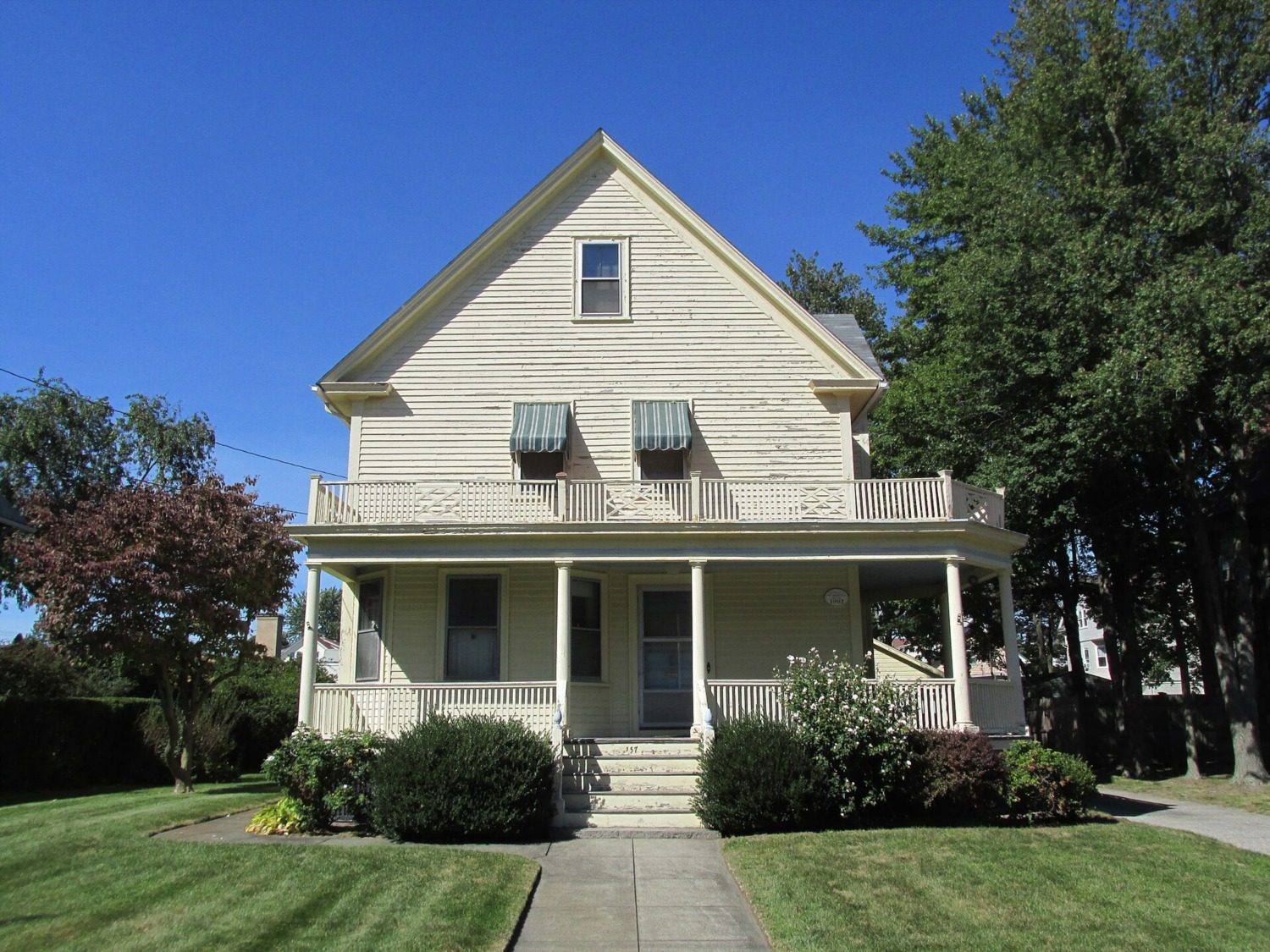
Rhode Island's new radon law takes effect June 1, 2027
Rhode Island has a new rule coming for residential real estate, and it is one every homeowner thinking about selling in the next two years should understand now. On June 18, 2026 the Governor signed H 7513 Substitute A / S 2424 Substitute A, adding a new section § 5-20.8-14, "Radon inspection and mitigation required," to the state's Real Estate Sales Disclosures law. It takes effect June 1, 2027.
After 25 years in this market and as a certified appraiser, I can tell you radon is not a new issue in Rhode Island — our geology produces it, and I have a mitigation system in my own home. What is new is that testing stops being optional due diligence and becomes a condition of the transaction.
What the law actually requires
For any purchase and sale agreement executed on or after June 1, 2027 for a residential property, a radon test must be performed no earlier than one year before the closing date. The test has to be done with an approved device by an individual certified or licensed under § 23-61-5 — not a hardware-store kit you mail in yourself. Results must be shared with both the buyer and the seller, and with any lender the buyer designates.
"Residential real estate transaction" is defined broadly: single-family homes, duplexes, multi-family homes and apartment complexes. It does not cover commercial property or property used for tourist or transient purposes.
Who pays for the test
This is the detail that surprises people. The law says that unless the parties agree otherwise, the buyer covers the cost of the radon test when it is completed after the purchase and sale agreement is signed and the seller did not provide a certified test, completed within one year before signing, showing no unsafe level.
Read that the other way and you see the seller's opportunity: a seller who tests before going on the market controls the timing, controls the result, and removes a negotiating lever from the buyer. Sellers who do nothing hand the test — and the conversation that follows it — to the buyer's side of the table.
Mitigation is now a closing condition
If the test comes back above the EPA action level of 4.0 picocuries per liter (pCi/L), a mitigation system must be installed by a certified or licensed professional before closing, if possible. If the work cannot be completed in time, the estimated cost is held in escrow and released once the job is done, per a written agreement signed by buyer and seller. The statute does not dictate who absorbs that cost, so it becomes a negotiated term — and negotiating leverage is exactly what a pre-listing test protects.
Transactions that are exempt
- Sales by a lender (or affiliate) that took the property by foreclosure or deed in lieu.
- Sheriff's sales, tax sales, foreclosure or partition sales, and sales by a court-appointed trustee.
- Transfers where the buyer will convert the home to non-residential use or demolish it.
- Transfers by will or intestate inheritance.
- Homes with an existing mitigation system installed by a licensed radon contractor within three years of the P&S.
- Homes with an older mitigation system that have been tested for radon within three years of the P&S.
That last pair matters: an existing, documented mitigation system is now a genuine asset at resale. Keep the installer's paperwork and your test reports where you can find them.
What this means for the market
Two practical effects. First, timelines. A short-term radon test plus, if needed, a mitigation install and a post-mitigation retest is realistically two to four weeks of work inside a contract-to-close window that is often 30 to 45 days. Deals signed after June 1, 2027 will need that time built in, and escrow holdbacks will become a routine part of RI closings.
Second, condition transparency. Basements are where this shows up, so finished-basement colonials, raised ranches and multi-families — a huge share of our Providence County inventory — are the properties most likely to see a number above 4.0.
Seller takeaways
- Selling before June 1, 2027? The requirement keys off the date the P&S is executed, not the closing. A deal signed in May 2027 is outside it.
- Selling after that date? Test before you list, with a licensed professional. A clean test done within a year of the P&S removes the buyer-paid test and the mid-deal surprise.
- Already have a mitigation system? Find the installation records. Within three years, you may be exempt outright.
- If you get a high reading, mitigate early. Fixing it on your schedule costs less than fixing it under a closing deadline.
- Buying a multi-family? Ask about radon documentation now — it will be priced into these properties well before 2027.
If you are weighing a 2026 sale against a 2027 one, this is worth a 15-minute conversation about timing. Call PRG Premier Group at 401-288-3600 and we will walk through where your home stands.
This article is general information about Rhode Island law, not legal advice. Source: R.I. Gen. Laws § 5-20.8-14, enacted as 2026 H 7513 Sub A / S 2424 Sub A, signed June 18, 2026.