
Blog · 2026-09-14
East Greenwich RI Real Estate: What the Money Buys
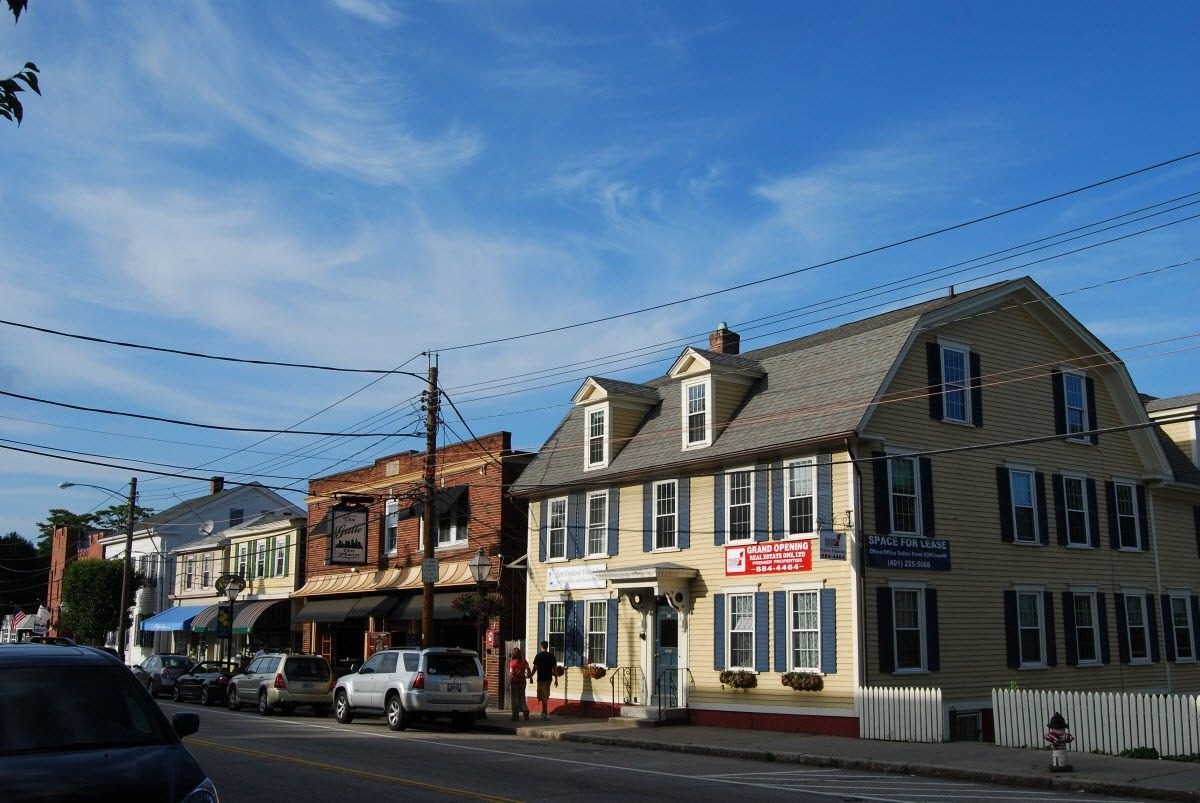
Every month I get the same question from buyers heading into East Greenwich: why is this town so much more expensive than its neighbors, and what does the extra money actually buy? It is a fair question. East Greenwich sits in the same county as Warwick, Coventry and West Warwick, and prices nothing like them. As a broker and certified appraiser working this market for most of 25 years, here is the straight answer.
The June 2026 data
Rhode Island Association of Realtors and State-Wide MLS figures show East Greenwich closed 19 single-family sales in June 2026 at a median of $869,900. That is down 6.5% from $930,000 in June 2025, on 26.9% fewer sales, and average days on market improved to 18 from 23. For context, Kent County posted a $485,000 median on 195 sales, up 3.2%, and the statewide single-family median reached a record $550,000 on 879 sales, up 5.8%, at 29 days with inventory up 4%.
Do not read the 6.5% as a price correction. Nineteen closings is a small sample, and the median only reports the middle house that happened to sell: lose a couple of high-end sales and it falls while every homeowner's value is intact. The faster market time points the other direction: East Greenwich was the quickest market in the county in June. Demand is not the problem here. Supply is.
Where the premium comes from
Three things carry East Greenwich, in order. The school district, which the town runs itself and which is consistently rated among the best in Rhode Island. The downtown, because Main Street is a genuine walkable center of restaurants and shops running down to Greenwich Cove and the marinas rather than a strip of plazas. And location: Route 4 and I-95 put Providence roughly twenty minutes north and T.F. Green ten minutes away, with the Quonset Business Park to the south. Scarcity finishes the job. This is a small town with chronically tight inventory, so the buyer pool is competing over very few houses.
What your budget buys, pocket by pocket
- Main Street and the waterfront — condominiums, converted historic buildings and water-view homes. The most walkable living in town, and the way many buyers get in below the single-family median.
- Hill and Harbour district — the historic core above Main Street: 18th and 19th century houses, real character, real upkeep, and design review on exterior changes.
- Middle Road and Cedar Avenue — established mid-century and later single families. The practical middle market and the most consistent value in town.
- West of Route 2, Frenchtown and Division Road — newer colonials on larger lots, many on septic and some on wells. This is where you buy land and square footage.
- Scalloptown and the south end — smaller homes and cottages on tighter lots near the water, the closest thing the town has to entry level.
Diligence that is specific to this town
Septic and well come first. Much of the town west of Route 2 has no public sewer or water, so plan on an ISDS inspection and water testing, and understand that replacing a failed system is a five-figure project you want priced during your inspection period. Then the historic district: in the Hill and Harbour area, exterior work may need review, so verify what you are allowed to change before you buy a house on the assumption you will change it. Near the cove and on waterfront lots, check the flood zone and get an insurance quote early, because that premium belongs in your monthly math.
The housing stock is old in much of town, which means oil tanks, older electrical and pre-1978 lead paint are all live issues. Multi-family inventory is limited and mostly sits near Main Street and the south end; it rarely trades on cap rate, because you are buying the location. If you do buy a rental, confirm the legal unit count with the town — a finished attic or in-law space is not automatically legal and will not appraise or finance as one — and remember Rhode Island's lead law requires a Certificate of Lead Conformance on pre-1978 rentals, an obligation that transfers with the property.
Valuing a house here takes real comparables
With 19 sales a month, neither a town median nor an online estimate can tell you what a specific East Greenwich house is worth. My approach as an appraiser is to work within the same price tier and the same pocket of town, then adjust for lot, sewer versus septic, condition and level of finish. Those adjustments are where the money is. Also confirm the current tax rate and the property's current assessment with the town before you write an offer; high assessed values make the annual bill a meaningful piece of qualifying, and a recent renovation or addition usually invites a higher assessment.
Selling into this market
An 18-day average says a correctly priced East Greenwich house sells quickly. It also says an overpriced one is obvious, fast, in a town where a handful of sales shapes perception. With statewide inventory up 4% and pending sales down, price to your pocket's comparables rather than to last spring.
Takeaways
- June 2026: 19 East Greenwich single-family sales, $869,900 median, 18 average days on market.
- The premium over Kent County's $485,000 median is driven by schools, a walkable downtown, highway access and scarce inventory.
- A 6.5% median dip on 26.9% fewer sales is sales-mix noise, not a price decline.
- Septic and well systems and historic-district review are the two must-check items before you commit.
- Value a house here from pocket-level comparables, and verify the tax rate and assessment with the town.
If you want a candid read on what your budget buys in this town, call PRG Premier Group at 401-288-3600. Browse current East Greenwich homes for sale, widen the net with our Rhode Island home search, or if you are selling first, request an appraiser's opinion of value on our home value page.