
Blog · 2026-11-02
Downsizing in Rhode Island: Selling the Family Home and Choosing What Comes Next
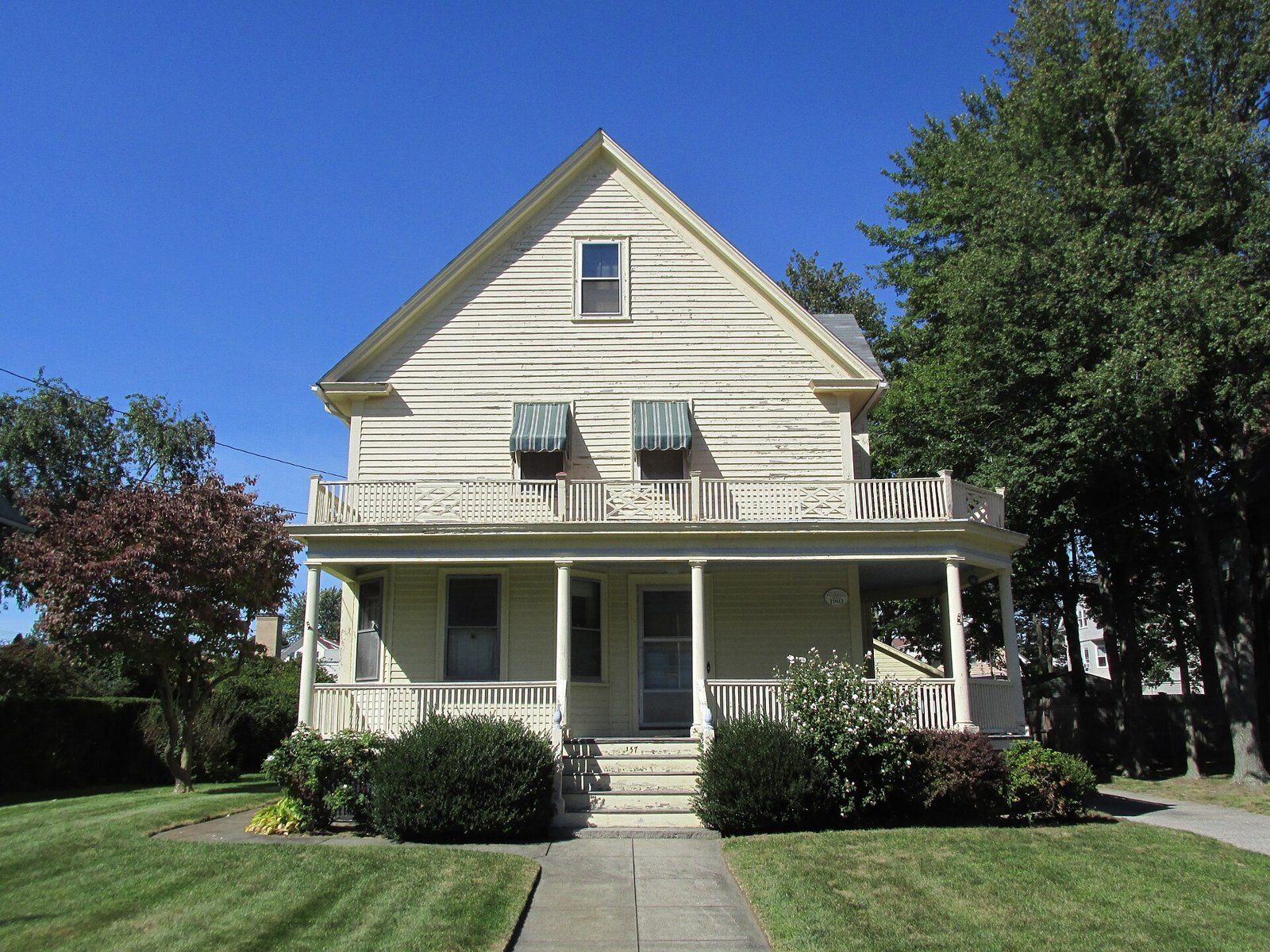
Most of the downsizing conversations I have start the same way. The kids are gone, the stairs are getting old, half the bedrooms are storage, and the property tax bill and heating oil keep coming whether anyone uses those rooms or not. Then comes the second sentence: "But I don't know where we would go." That is the real question, and it deserves a plan, not a guess. I have been a Rhode Island broker for 25 years and I am a certified real estate appraiser, so here is how I walk families through it.
Start With the Numbers, Not the Furniture
Before anyone rents a dumpster, you need two figures: what your house will realistically sell for, and what the next home will cost. Everything else depends on that gap.
Take Cranston, where a lot of my downsizing clients raised their families. In September 2026 the median single-family home there sold for $500,000, up 4.7% from a year earlier, on 59 closed sales. Those homes averaged 25 days on market, against 34 days statewide, where the median was $534,000 (Rhode Island Association of Realtors / State-Wide MLS). A median is the middle of the market, not your house. A colonial in Garden Hills with original kitchens and a Western Cranston ranch updated in 2019 are not the same appraisal, and you should not plan your retirement around a citywide number.
On the other side of the move, the statewide median condo price in June 2026 was $417,450 (State-Wide MLS via RIAR). If you are trading a single-family for a condo, that spread is the equity you are potentially freeing up. Potentially, because closing costs, moving and whatever you spend getting the house ready all come out of it.
Decide What "Smaller" Actually Means for You
Downsizing is not one product. In Rhode Island I see four common landing spots:
- A condo in Cranston, Warwick, East Greenwich or Providence. No roof, no lawn, no snow, but a monthly fee and an association that makes the rules. Read the budget, the reserve study and the last year of board minutes before you fall in love with a unit.
- A one-level ranch in the same town. Plenty of Cranston, Johnston and Warwick ranches were built for exactly this stage of life. You keep the yard and the independence, and lose the stairs.
- A 55-plus community. Age-restricted rules affect who can live there and who you can sell to later. That smaller buyer pool matters at resale.
- Living near or with family, including an in-law unit. Check zoning and permits before anyone builds or buys on that plan.
Write down what you will not give up. A first-floor bedroom, a garage, ten minutes to the grandkids, being able to walk to coffee in Pawtuxet Village. That list narrows the search faster than any price filter.
Sell First, Buy First, or Line Them Up
Most downsizers have plenty of equity and little or no mortgage, which gives you options younger buyers do not have. Some clients can buy the condo outright or with a small loan, move in, and then sell the family house empty. An empty, clean house shows better and lets you skip the scramble of living in a staged home for a month.
If you need the sale proceeds to buy, we line up both closings or negotiate a short rent-back so you are not moving twice. What I tell people to avoid is listing the house with no idea where they are going. A strong offer with a 30-day closing turns into panic very quickly.
Preparing a House You Have Lived In for 30 Years
Long-time owners usually underestimate two things: how much stuff is in the basement and attic, and how dated the house looks to a buyer. You do not need a renovation. You need the house to look cared for. My usual short list:
- Clear out first, then decide on repairs. You cannot judge a room you cannot see.
- Fix what an inspector will write up: roof leaks, old electrical panels, a tired oil tank, water in the basement.
- Paint, light and clean beat a new kitchen almost every time on return.
- Gather your paperwork early: permits, the oil tank or septic records, any lead certificate if you ever rented a unit.
On taxes, many long-time owners have a large gain. Federal rules allow married couples to exclude up to $500,000 of gain on a primary residence that meets the ownership and use tests, and single filers up to $250,000. Confirm your own situation with your CPA before you list, not after.
The Emotional Part Is Real
I have watched people walk through the house one last time and stop in the doorway of a child's bedroom. That is normal. Give yourself time: start sorting six months ahead if you can, let family claim what they want by a set date, and donate or sell the rest. The families who struggle are the ones who try to do all of it in the three weeks after an accepted offer.
Key Takeaways
- Get a realistic value on your house and a target price for the next home before anything else.
- Cranston single-family homes had a $500,000 median in September 2026, averaging 25 days on market.
- Pick the type of smaller home first: condo, ranch, 55-plus or near family.
- Use your equity to buy first and sell empty if the numbers allow.
- Declutter and fix inspection items; skip the big renovation.
Thinking about it but not sure of the numbers? Start with a home value estimate, look at what the market is doing on our Cranston page, then call me at 401-288-3600. I will give you an appraiser's read on your house and a straight answer on what your next move costs.