
Blog · 2026-11-09
Glocester, Scituate and Foster: Buying in Rural Rhode Island
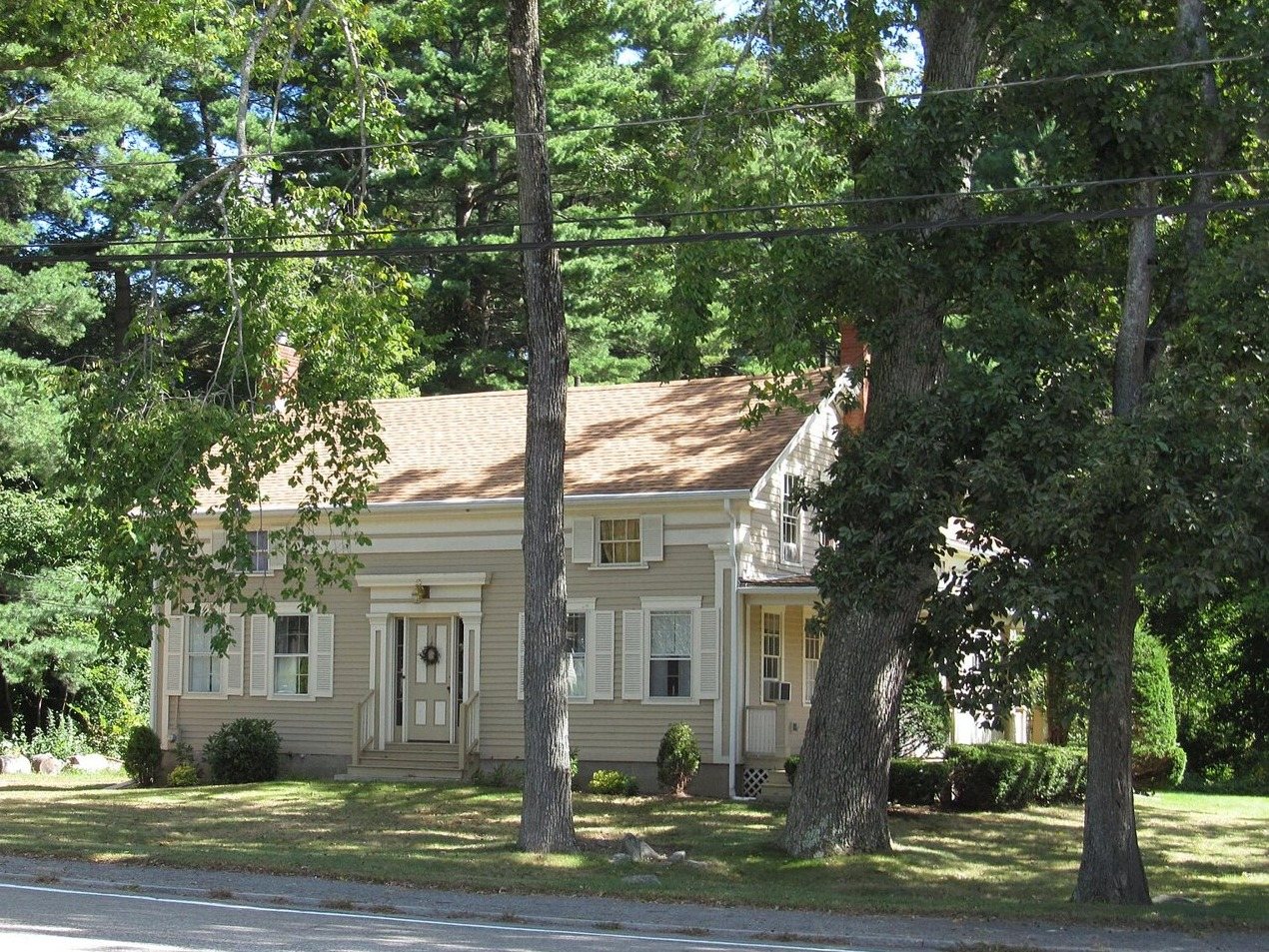
Every fall I get the same call from buyers who have spent a year losing bidding wars in Cranston or Warwick: "What if we went west?" Glocester, Scituate and Foster are the obvious answer. You get acreage, stone walls, quiet roads and room for a garden or a workshop, and you are still in Providence County. But a rural house is a different purchase from a suburban one. The well, the septic system, the heating fuel and the drive matter as much as the kitchen. After 25 years as a Rhode Island broker and a certified real estate appraiser, here is what I tell buyers before they write an offer out here.
What these three towns cost right now
According to the Rhode Island Association of Realtors / State-Wide MLS, single-family sales, September 2026, the median single-family home sold for:
- Scituate: $719,000, up 6.5% from a year earlier, on 9 sales, with homes averaging 43 days on market.
- Foster: $633,750, up 3.0%, on 8 sales, averaging 39 days on market.
- Glocester: $500,000, down 36.6%, on 13 sales, averaging 22 days on market.
The statewide median that month was $534,000, with 34 average days on market. Read those numbers carefully. With 8 to 13 closings a month, one estate on twenty acres or one small cottage swings the median hard. Glocester's 36.6% drop does not mean Glocester homes lost a third of their value; it means the mix of homes that closed in September was different. Use the medians as direction and price the specific house on its own comparables. You can see more on the Glocester town page.
The well: test quality and quantity
Almost every home in these towns runs on a private well, and nobody tests it for you unless you ask. I want two things written into the inspection contingency:
- A water quality test by a certified lab: bacteria, nitrates and the minerals and naturally occurring contaminants that show up in Rhode Island bedrock wells, such as arsenic, radon and uranium. Ask the lab which panel the Rhode Island Department of Health recommends.
- A flow or yield test that tells you how many gallons per minute the well delivers. A great test result from a well that runs dry during a dry August is not a great well.
If the test comes back with a problem, most issues have a treatment answer, and the cost of that system belongs in your negotiation. FHA and VA loans also carry their own water and well requirements, so tell your lender early that the house is on a well.
The septic system: get the records and a real inspection
There is no sewer in most of western Rhode Island. Septic systems are regulated by the Rhode Island Department of Environmental Management, and DEM keeps permit and design records by property. Before you make an offer, I pull whatever is on file: when the system was installed, how many bedrooms it was designed for, and whether there were repairs.
That bedroom number matters. If a house is marketed as four bedrooms but the septic was designed for three, you have a problem with resale, with an addition, and possibly with your appraisal. During the contingency, hire a licensed septic inspector who pumps the tank and looks at the leach field, not just someone who flushes the toilets. And if the home still has a cesspool, ask about Rhode Island's cesspool rules: a sale can trigger a requirement to replace it, and you want that cost settled before closing, not after.
Heat, power and internet
Many rural homes heat with oil or propane rather than natural gas, and some add wood or pellet stoves. Ask for a year of fuel deliveries so you can budget. Check the age of the oil tank and the chimney liner if there is a wood stove; your insurance company will ask. Confirm which internet providers actually serve the street, especially if you work from home. Do not assume; call with the address.
The drive, honestly
Route 44 runs through Glocester, Routes 6 and 102 cross Foster and Scituate, and Route 116 and Route 14 serve Scituate. Drive the commute at the hour you would actually make it, in both directions, before you fall in love. Some buyers find the trip is the price of the land and the quiet; others decide after one test run that it is not for them. Better to know before the offer.
What appraisers see differently out here
This is where my appraisal background helps buyers the most. Rural homes have fewer close comparable sales, so an appraiser often reaches farther back in time and farther away in distance. Acreage, outbuildings, barns and frontage do not add value one-for-one. A home that is the most expensive on its road can appraise below the contract price. Before you bid, look at what similar homes actually sold for, not just what is listed. A quick look at the home value estimator is a starting point, and I am glad to walk through real comparables with you.
Key takeaways
- Scituate, Foster and Glocester medians swing hard on 8 to 13 monthly sales; price each house on its own comparables.
- Test the well for both water quality and flow before your contingency expires.
- Pull the DEM septic records and confirm the system matches the bedroom count.
- Budget for oil or propane heat and confirm internet service at the address.
- Expect rural appraisals to rely on fewer, older and farther comparables.
If you are thinking about a home in Glocester, Scituate or Foster, call me at 401-288-3600. I will tell you what the house is worth and what to check before you commit.