
Blog · 2026-07-31
Buying a House in Cranston RI: Neighborhoods, Prices and What To Expect
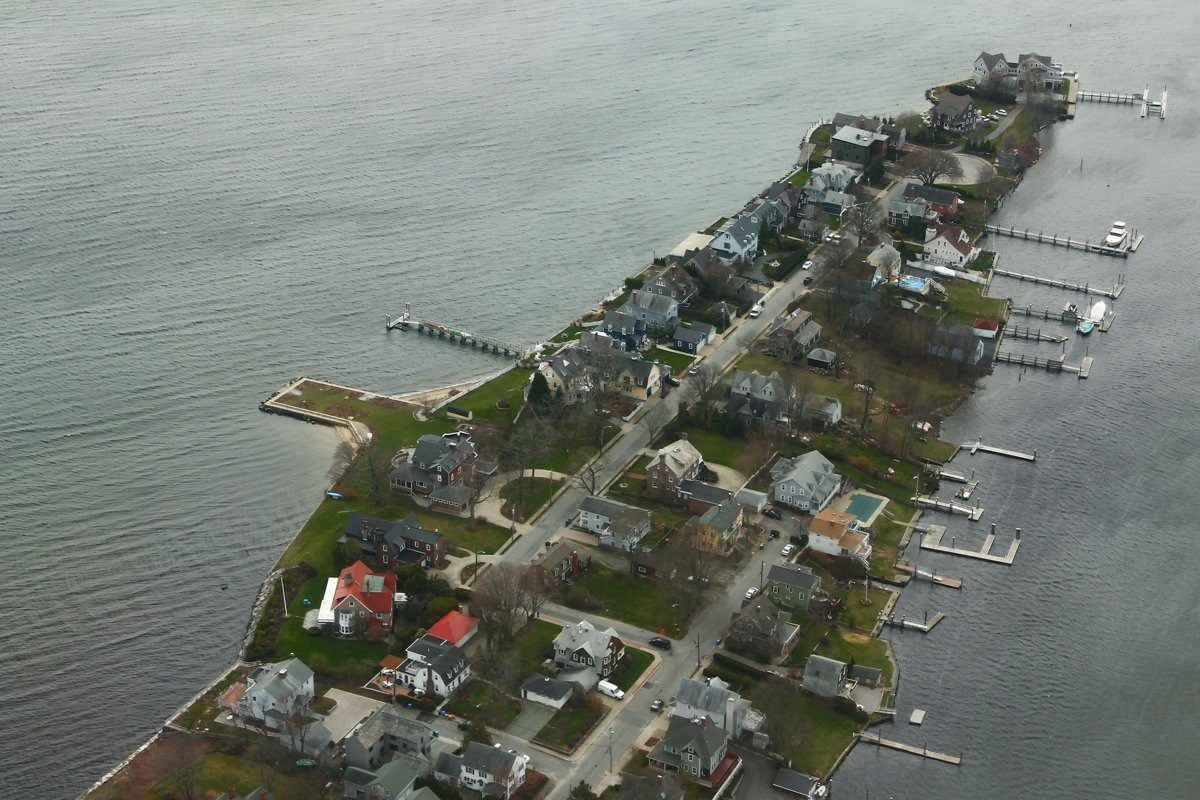
Cranston is Rhode Island's third-largest city, and it has been drawing buyers for decades for the same reasons: affordable entry points relative to the East Bay, a fast commute to Providence, and enough neighborhood variety to fit almost any buyer profile. If you are considering Cranston, here is what you actually need to know before you make an offer.
Why Cranston Keeps Attracting Buyers
Cranston sits directly south of Providence with easy access to I-95 and Route 10. Most residents can reach downtown Providence in ten to fifteen minutes. T.F. Green Airport in neighboring Warwick is a short drive south. That combination of access keeps demand steady even when other secondary cities see slowdowns.
The housing stock is broad. You will find postwar Cape Cods and ranches in Knightsville and Garden City, turn-of-the-century colonials in Edgewood, and newer construction out near Western Cranston. That range means the city serves first-time buyers, move-up buyers, and investors alike.
Cranston's Key Neighborhoods
Edgewood. This is Cranston's most sought-after neighborhood, bordering the Narragansett Bay waterfront and the Providence line. Tree-lined streets, walkability to local shops, and proximity to Roger Williams Park make Edgewood competitive with East Side Providence pricing. Homes here move fast, and multiple offers are common.
Garden City. Centered around the Garden City Center shopping area, this neighborhood offers mid-century homes on quiet residential streets. It is one of the most convenient locations in the city for daily errands, dining, and grocery shopping — all walkable or a short drive.
Western Cranston. If you want more land and newer construction, look west. Developments off Phenix Avenue and Pippin Orchard Road deliver larger lots and more modern floor plans. The tradeoff is a longer commute and fewer walkable amenities, but families who want space tend to gravitate here.
Knightsville. A classic working-class Cranston neighborhood with some of the most affordable single-family homes in the city. Starter buyers looking for a solid house at a lower price point should pay attention here. Homes tend to be smaller Cape Cods and ranches, well-maintained but modest.
Auburn and Meshanticut. These central neighborhoods sit near Cranston's commercial corridor along Reservoir Avenue and Oaklawn Avenue. You get easy highway access and a practical, no-frills lifestyle. Pricing tends to land in the middle of Cranston's range.
What Buyers Should Watch For
Cranston's housing stock skews older, which means many homes were built before modern codes addressed issues like lead paint, knob-and-tube wiring, and oil heat systems. None of these are deal-breakers, but they affect your negotiation and your budget. A competent home inspection is not optional here — it is essential.
Oil tanks are common in Cranston. If a home has an underground oil tank, your lender may require removal or an environmental assessment. Above-ground tanks are less of a concern, but replacement costs should still be on your radar.
Flood zones are limited in Cranston compared to coastal communities, but parts of Edgewood and areas near the Pawtuxet River do fall within FEMA flood maps. Always verify the flood zone designation before you commit — flood insurance adds real cost to your monthly payment.
Property Taxes and Municipal Services
Cranston's property tax rate is something every buyer should research carefully before making an offer. Rhode Island municipalities set their own rates, and Cranston's rate has historically been higher than some neighboring towns. The city reassesses properties periodically, so your assessed value and your purchase price may not match immediately. Factor taxes into your affordability calculation from the start, not after you have fallen in love with a house.
On the services side, Cranston runs its own school system, fire department, and public works. The city has invested in parks and recreation facilities, including the popular Cranston Stadium complex. Public school performance varies by school, so if schools are a factor, research specific buildings rather than relying on citywide averages.
Financing Considerations
Cranston's price range puts many homes within reach of FHA and conventional financing with modest down payments. First-time buyers should look into RIHousing programs, which offer down payment assistance and competitive rates for qualifying Rhode Island buyers. If you are purchasing a multi-family property as an owner-occupant, FHA allows up to four units with as little as 3.5 percent down — and Cranston has a healthy supply of two- and three-family homes.
Working With a Local Agent Matters
Cranston's market moves quickly in the mid-price range, and homes that are priced correctly tend to generate multiple offers within the first week. Having an agent who knows the neighborhoods, understands which streets flood and which do not, and can advise you on inspection findings specific to older Rhode Island housing stock will save you money and headaches. After twenty-five years selling real estate in Rhode Island and holding a certified appraiser designation, I can tell you that local knowledge is the single biggest advantage a buyer can have in a market like Cranston.
Browse current Cranston listings here, or start a custom search across all of Rhode Island to compare what is available.
Buyer Takeaways
- Cranston offers neighborhood variety from waterfront Edgewood to affordable Knightsville — know which pocket fits your budget and lifestyle before you tour.
- Older housing stock means inspections are critical: watch for oil tanks, knob-and-tube wiring, and lead paint.
- Research property taxes and flood zones early — both can significantly change your monthly cost.
- RIHousing programs and FHA financing make many Cranston homes accessible to first-time buyers.
- Multi-family properties are plentiful and can be a strong owner-occupant investment.
- Work with an agent who has deep local knowledge of Rhode Island's older housing stock and Cranston's neighborhood-level dynamics.